Is this your business?
The Visual & Aesthetic Presence
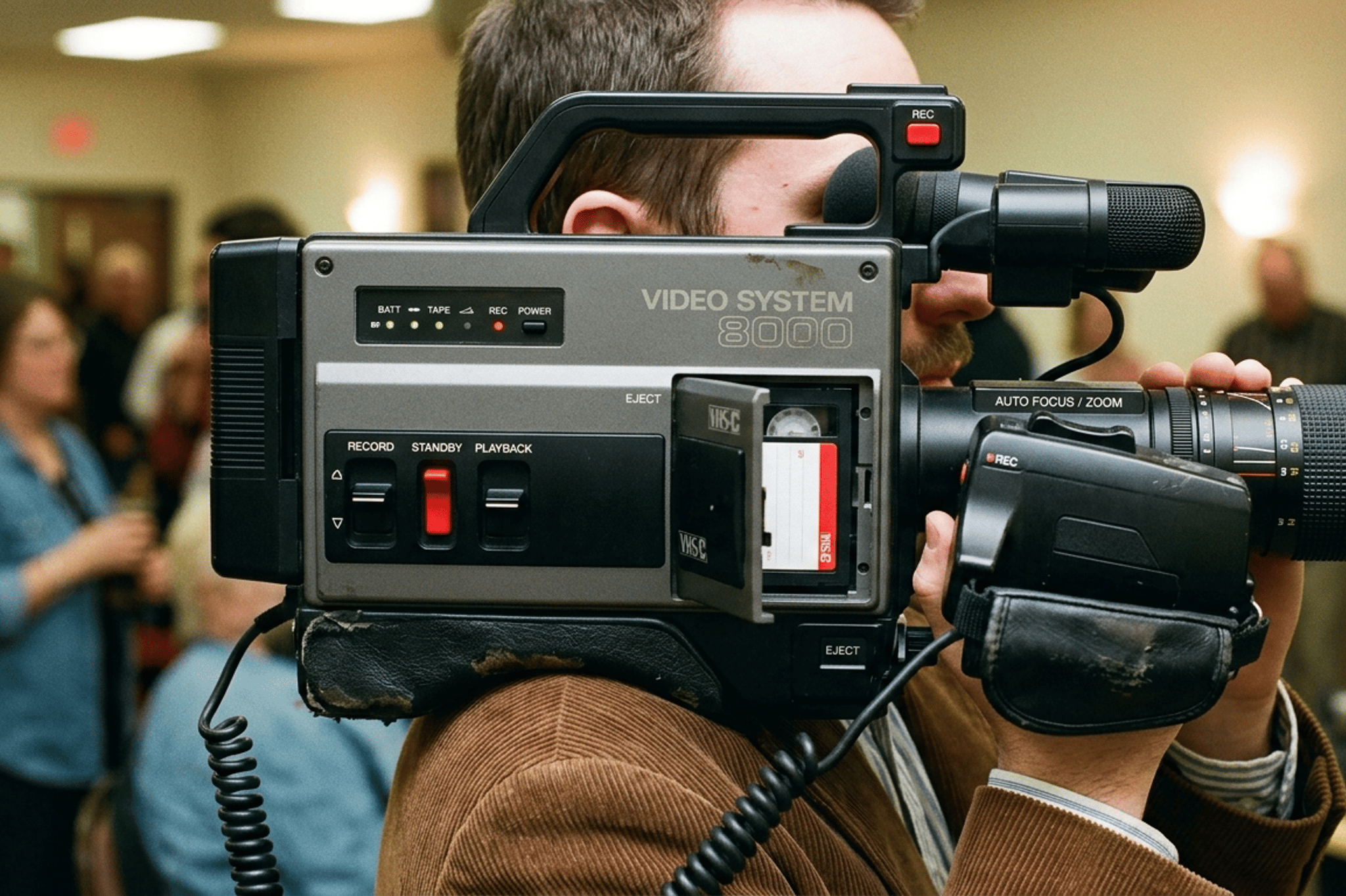
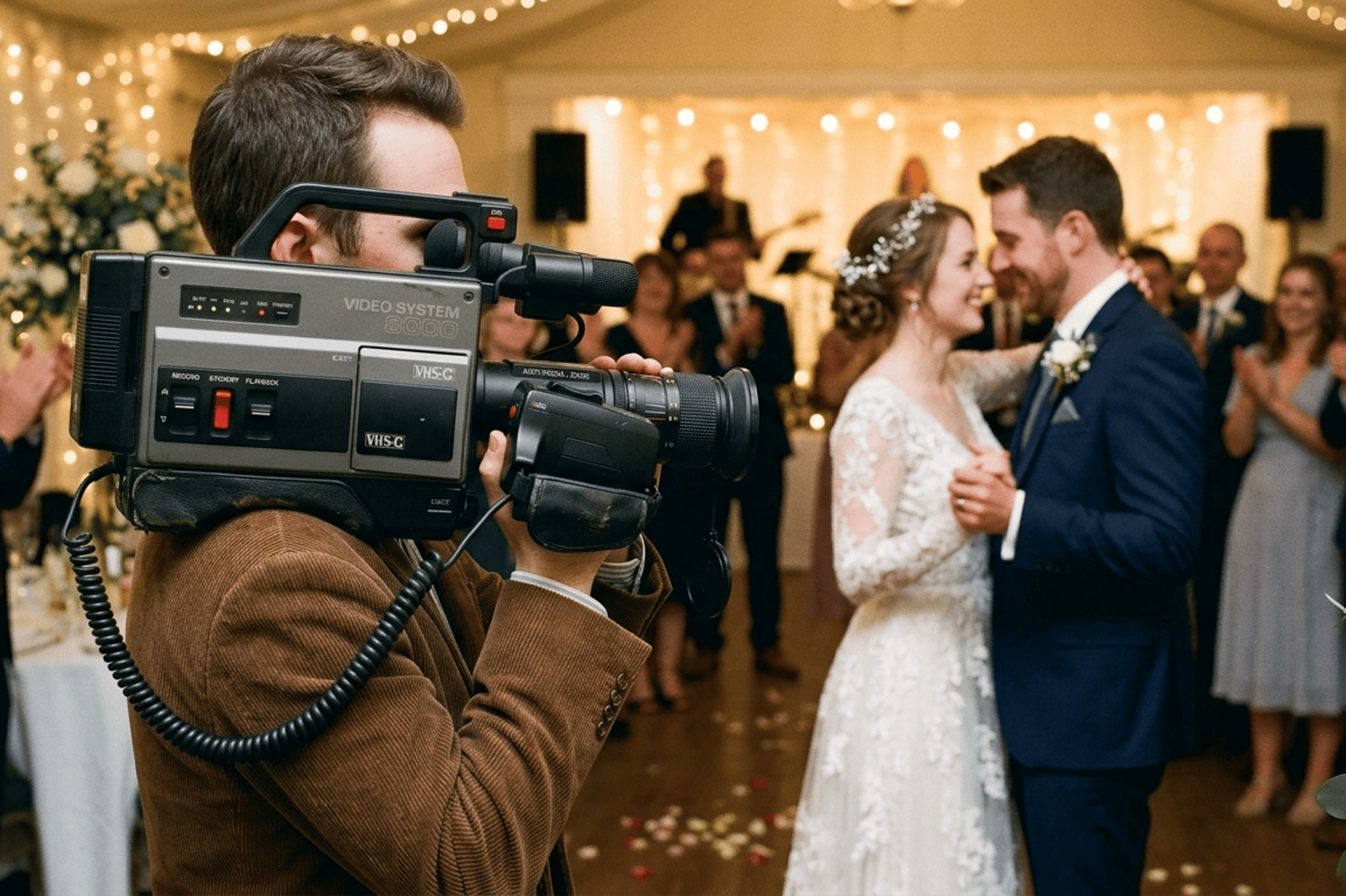
Standing at the intersection of classical craftsmanship and modern cinematic storytelling, Julian Vance is the kind of videographer whose presence on set is both steady and imperceptible. Dressed in muted, non-reflective dark tones—typically a tailored charcoal overshirt, durable dark trousers, and low-profile boots—his wardrobe is chosen strictly for stealth, comfort, and mobility. Hung over his right shoulder is a meticulously configured rig: a matte-black cinema camera body stripped down to its essential ergonomics, fitted with vintage prime lenses that cast soft, organic flares across the frame. A top-handle with custom leather wrapping gives him total tactile control during high-intensity handheld movements, while a low-profile wireless audio receiver clicks neatly into the cold shoe above. His hands bear the quiet marks of a veteran technician—index finger permanently rested near the manual focus ring, thumb hovering near the high-brightness monitor toggle. Around his waist sits a minimalist utility belt housing spare high-speed media cards, microfiber lens wipes, a compact light meter, and precision multi-tools. He moves through a room like a shadow with a clear vision, predicting human movement a heartbeat before it occurs.
The Creative Philosophy & On-Set Execution
Julian views event and documentary videography not as passive recording, but as active visual preservation. His philosophy centers on emotional realism: prioritizing authentic, unscripted atmosphere over forced poses. Whether maneuvering through the chaotic energy of a wedding reception or tracking a quiet moment behind the scenes of a commercial shoot, his movement is fluid and intentional. He utilizes natural light whenever possible, positioning himself to capture soft rim-lighting off fabrics, warm ambient tungsten glowing in dimly lit halls, or sharp golden-hour sun slicing through glass. His choice of lenses is deeply deliberate; he favors focal lengths that compress distance and isolate genuine human expressions—a tear wiped away mid-vow, a subtle reassuring hand squeeze, or an uninhibited burst of laughter in a crowded room. Yet when the energy shifts, he transitions seamlessly to wider perspectives, drawing the viewer into the pulse of the dance floor. His demeanor during production is remarkably calm under pressure—never hurried, never intrusive, maintaining a warm presence that puts everyone around him at ease.
Technical Discipline & Audio Architecture
Behind his artistic instinct lies a rigid foundation of technical discipline. Julian is obsessed with frame rate cadence, dynamic range, and sonic texture. He treats sound with the same reverence as light, understanding that a visual frame is only half-built without pristine audio. Before key moments unfold, tiny lapel microphones are discreetly hidden, ambient room acoustics are profiled, and directional mics are calibrated to capture crisp dialogue above background noise. Visual exposure is calculated meticulously to preserve delicate highlight details like white lace or high-contrast stage lighting. He pulls focus manually with smooth, rhythmic precision that naturally guides the viewer's eye through composition layers—shifting focus from foreground details to deep background emotion.
Post-Production & Narrative Vision
When production wraps, Julian’s work enters its second life in the editing suite. His post-production process is defined by deliberate pacing and rich color science. He avoids temporary color trends, favoring timeless, filmic palettes with deep blacks, authentic skin tones, and subtle highlight warmth. Every cut is timed to the natural cadence of speech and musical rhythm, creating short cinematic films imbued with lasting nostalgia and emotional resonance.