Wedding Cake Ideas: Styles, Trends & Inspiration for 2026

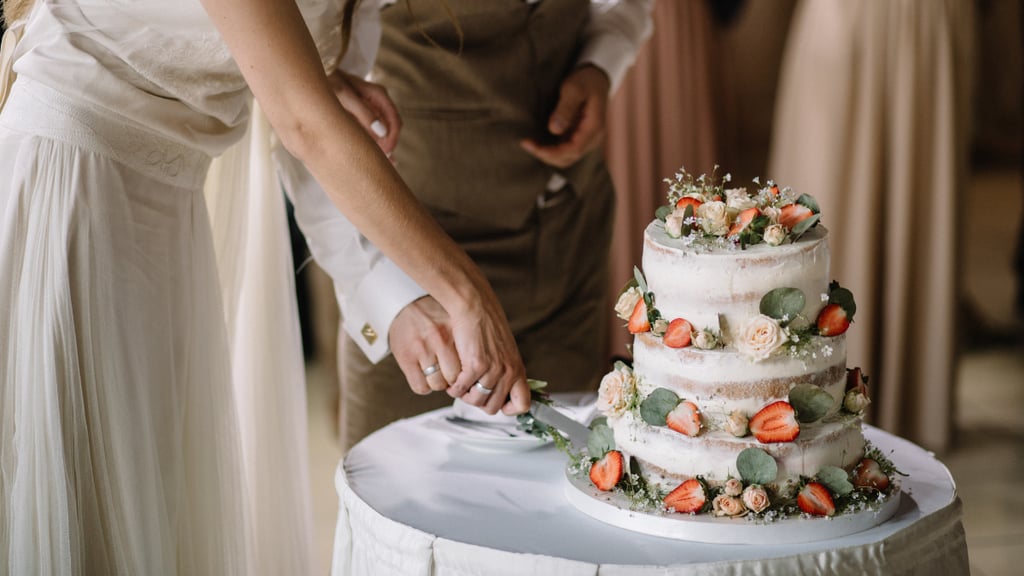
We know that choosing your wedding cake is one of the more exciting wedding planning tasks to sink your teeth into, but that the wealth of options can make it confusing.
From pared-back naked tiers and elaborate buttercream swags to spectacular, sculptural wedding cakes that push the boundaries of shape and design, there are more styles and flavours than ever to choose from.
To help you on your way to finding confection perfection, we’ve covered everything you need to know in our guide below. Touching on costs and flavours to current trends, expect wedding cake ideas galore. We’ve even shared some tips on when to get the process started…

Disclaimer: Venue and supplier availability, pricing, and offerings are subject to change. Always confirm details directly with the venue or supplier before booking.
Types of Wedding Cake
First things first – what do you want your wedding cake to look like?
Tiered wedding cakes
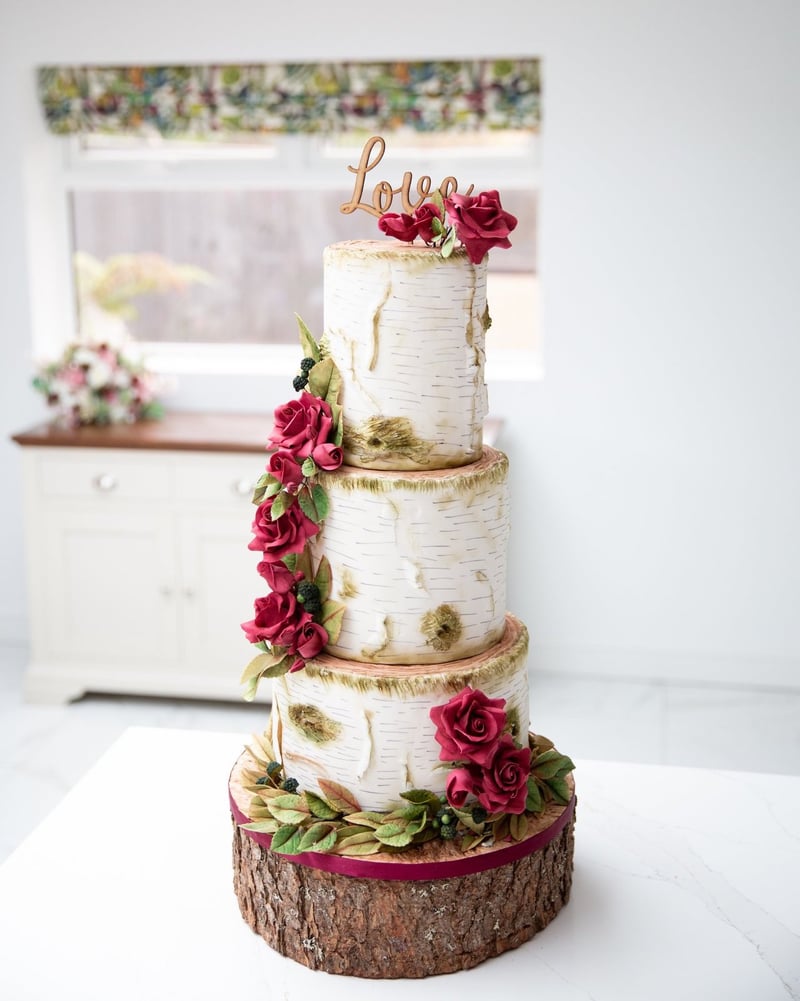
Whether it’s two, three, four tiers or more, a traditional tiered wedding cake is still the most popular choice in the UK, but there are more options than ever when it comes to design and decoration.
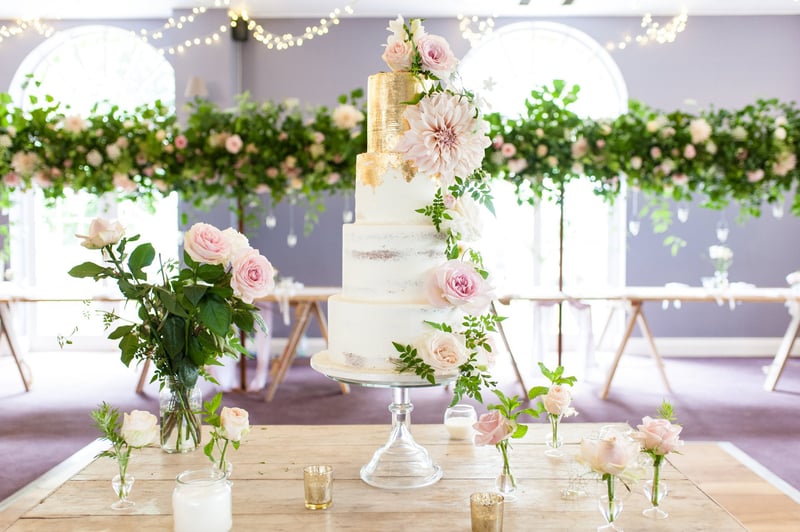
From hand-painted, fondant-iced confections and tiers of buttercream to cakes that haven’t been iced at all, a tiered wedding cake allows you to have multiple flavours in one dessert and echo the design details of other parts of your wedding, such as the stationery.
Naked cakes
Sponge layers that haven’t been iced at all – where the filling is also visible at the sides – is known as a naked cake and really suits relaxed, rustic-style weddings in barns, tipis or outdoor settings. Natural decorations such as fruit and flowers really bring this style of wedding cake to life. It’s also a design that photographs beautifully in daylight.
Semi-naked cakes
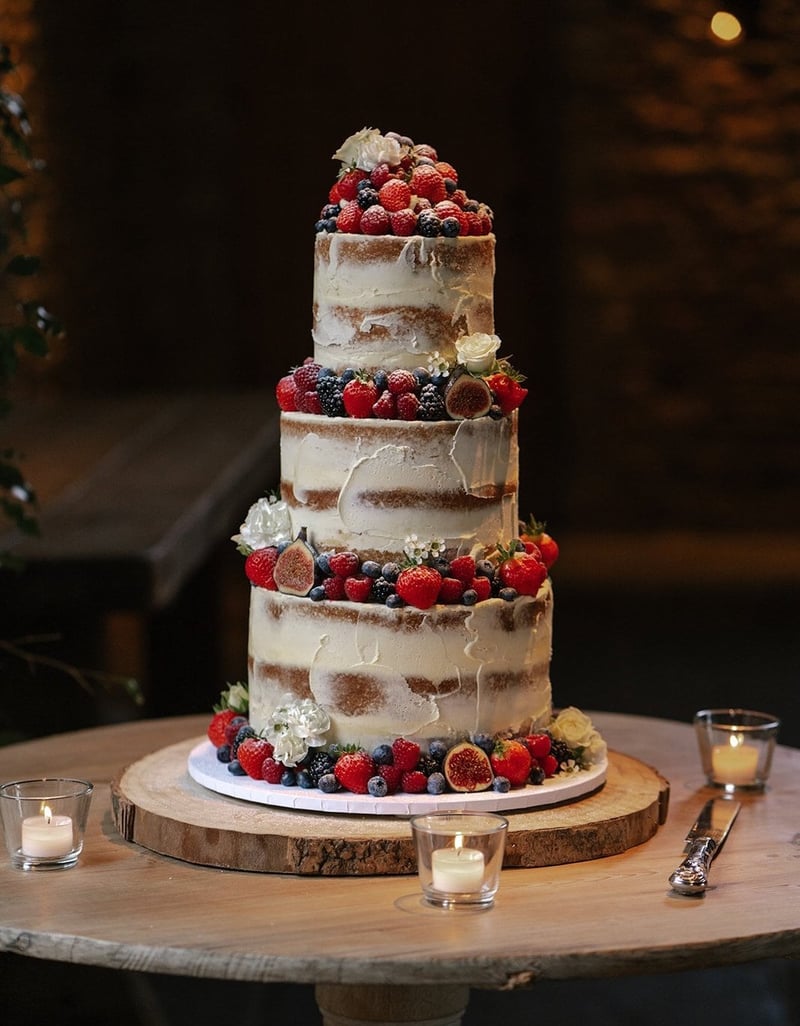
With a similarly relaxed aesthetic to a naked cake, the semi-naked style has a thin layer of buttercream that’s been loosely applied to allow the sponge layers to peek through. If you love naked wedding cake ideas but will be marrying in potentially warm or humid conditions, a semi-naked cake can be more forgiving.
Sheet cakes and single tiers
If you’re having an intimate wedding, a single round tier can look just as statement as a wedding cake with multiple tiers, while a sheet cake – a flat, rectangular cake often baked in a sheet pan and smothered in piped buttercream icing – works equally well for larger occasions because they can be scaled to size, with decorations as elaborate as you like.
Drip cakes
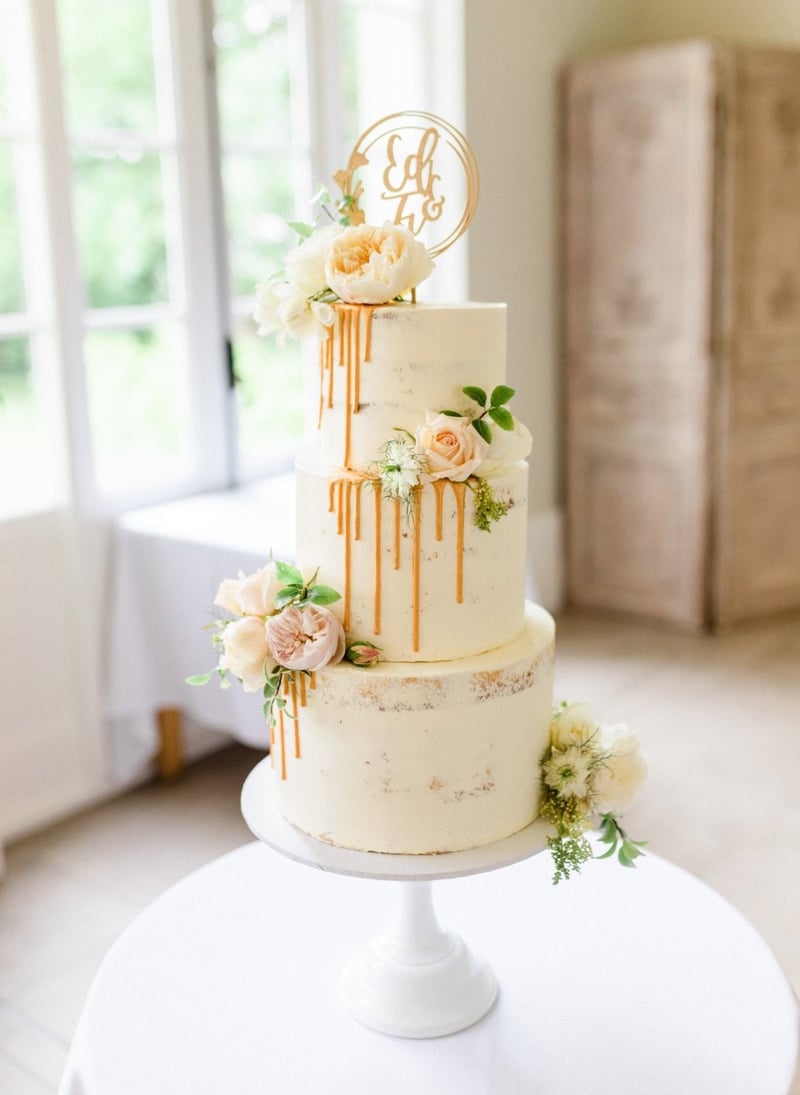
With a ganache or sauce ‘drip’ that runs down the sides, a drip cake isn’t just for birthdays or novelty occasions. If you’re looking for simple wedding cake ideas, a drip cake looks really elegant when paired with beautifully iced buttercream and the right decorations.
Cheese towers
Tiers of cheese wheels styled like a cake are still a popular choice with couples who don’t have much of a sweet tooth. They work especially well as the centrepiece of a savoury spread or if you’d like to serve up a cheese course at your wedding.
Alternative structures
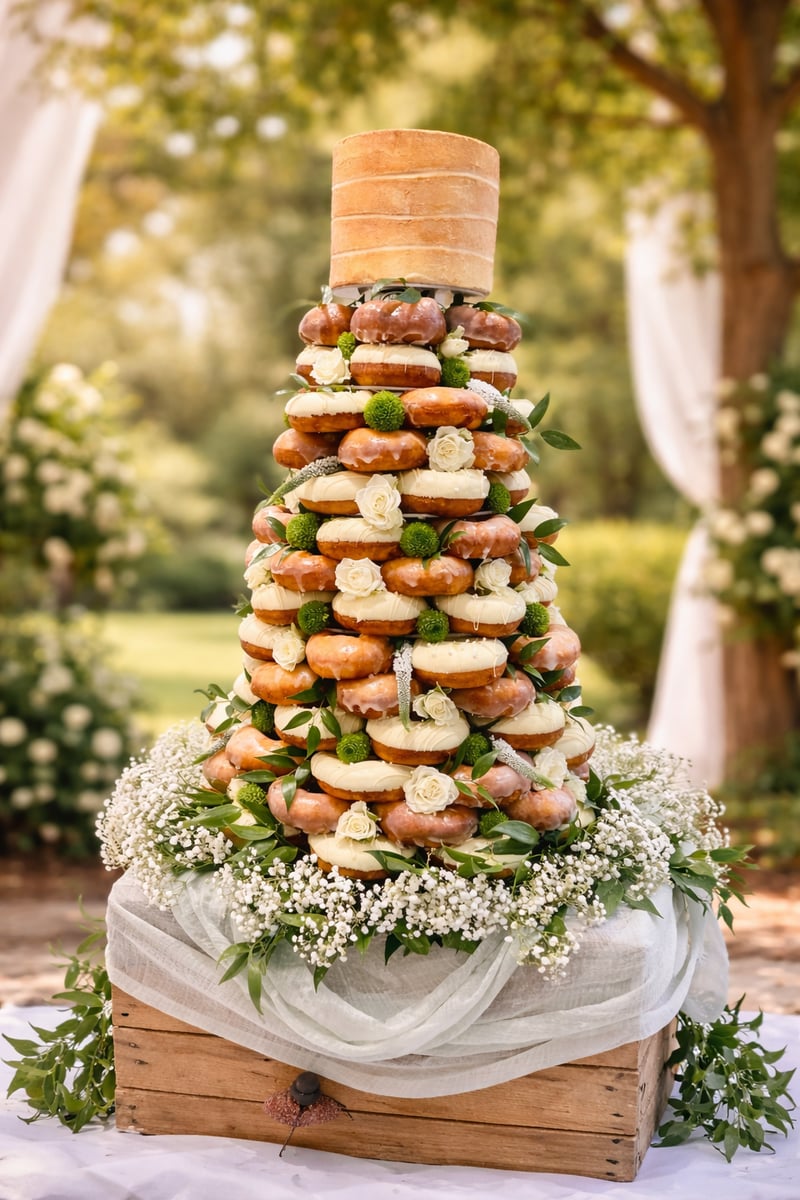
From tiers of doughnuts to elegant champagne coups filled to the brim with dessert, and even sculptural creations that look more like floral installations than cake, there are more alternative wedding cake ideas out there than ever before. If you have a clear aesthetic vision, discuss your ideas with your cake maker who will craft a bespoke design from scratch.
Wedding Cake Flavours
One of the best parts about choosing your wedding cake? The tasting! Because choosing how your wedding cake looks is only part of the process.
Your wedding cake flavours are just as important as the aesthetic, so it’s vital you take your time choosing the flavours and fillings you and your guests will actually want to eat.
There are the classic wedding cake flavour ideas that guests will typically know and love: fruit cake, Victoria sponge, lemon and elderflower, chocolate, and carrot cake smothered in cream-cheese frosting.
But how about some more contemporary wedding cake ideas? Recent flavours include salted chocolate truffle, rose-soaked sponge with pistachios, tropical coconut, mango and passionfruit, Earl Grey tea and lavender, coffee and whiskey caramel, and even key lime pie. Yum!
Here are our tips for choosing your wedding cake flavours:
- Consider the season and setting: The best wedding cakes are those that reflect the season and style of your day: planning a second wedding on the Amalfi coast? How about a delectable lemon drizzle decorated with handcrafted sugar lemons and foliage. Having a winter wedding? Sumptuous sticky toffee or Baileys Irish Cream is always a winner. If you’re looking for rustic wedding cake ideas, naked and semi-naked wedding cakes are the way to go.
- Have more than one flavour: Remember, if you’re having a tiered wedding cake, each tier can be different, which can be a useful way to accommodate different tastes. Chat this through with your baker to find out what your options are.
- Consider guests’ preferences: Are there any specific dietary requirements? Don’t dismiss ‘accidentally’ vegan or gluten-free choices, either. Polenta and almond cakes not only have great texture but the incredible ability to soak up flavours like citrus, which they pair well with. It’s also often helpful to have at least one ‘crowd-pleaser’ tier, such as chocolate.
Wedding Cake Trends for 2026
Our favourite wedding cake ideas to ensure your big-day dessert is deliciously on trend…
80s Opulence & Lambeth Cakes
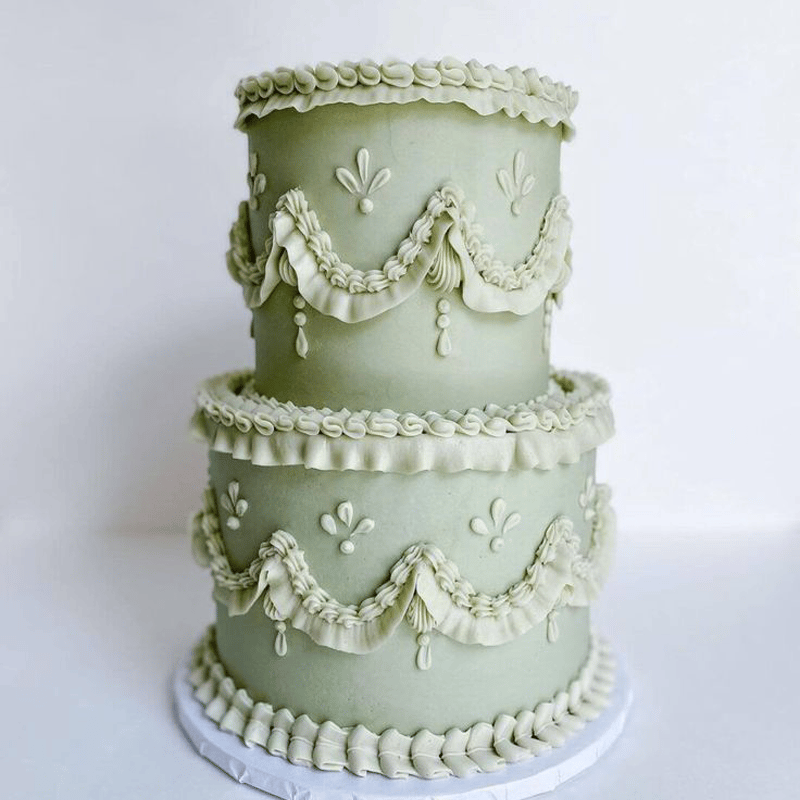
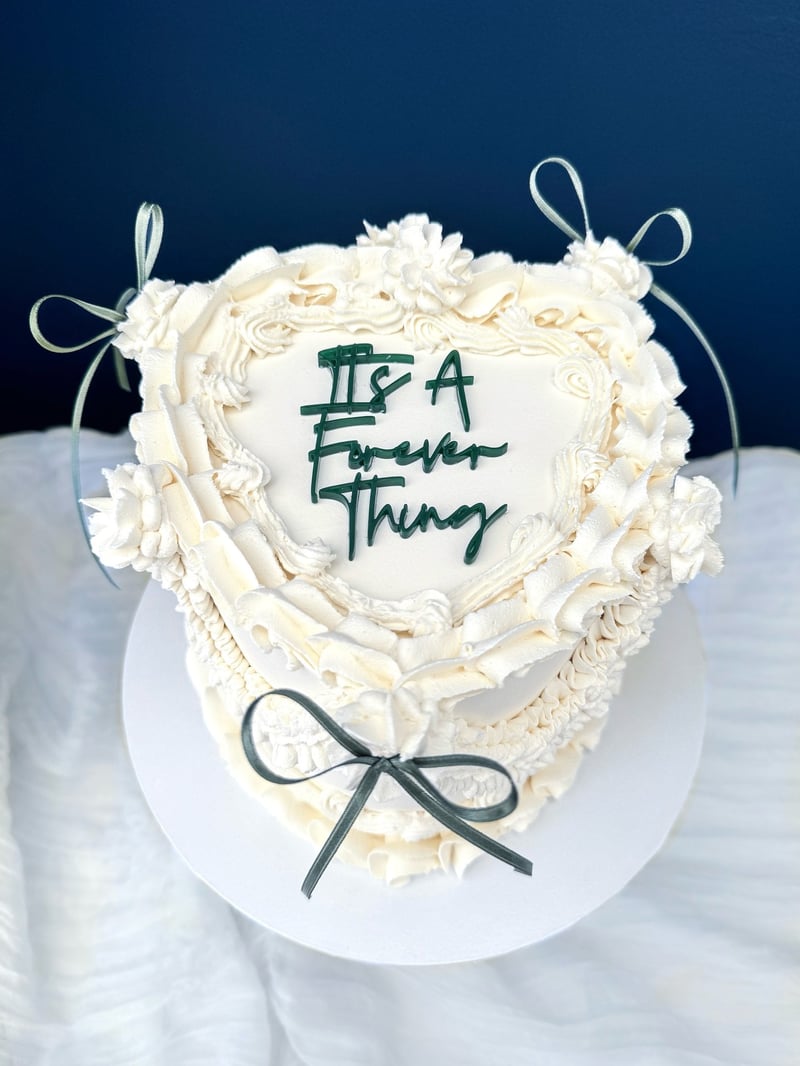
Whether it’s a kitschy-style heart cake with Marie Antoinette-inspired piping and maraschino cherries, or a multi-tiered design propped up with pillars (remember those?) and vintage cake toppers, the 80s have well and truly made their comeback.
These wedding cakes are not just white-iced designs either, couples are incorporating sugary pastels like pink, matcha and pale blue for a playful look. Oh, and bows. All the bows.
Sculptural Wedding Cakes
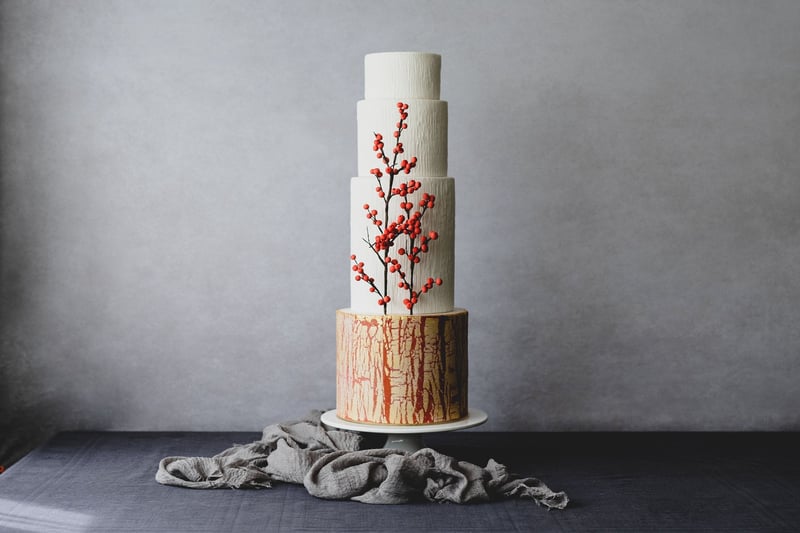
A striking, sculptural design that resembles a work of art makes a breath-taking centrepiece, whether you choose an all-white design to complement a tonal palette, or something more abstract with a variety of colours and textures.
Pleats & Textures
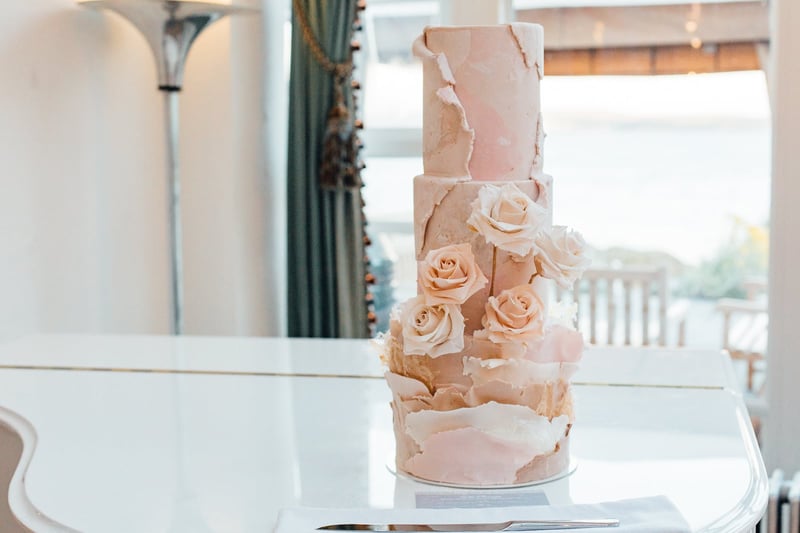
2026 is the year of texture, whether that’s in the form of buttercream hand-painted in an organic, painterly fashion or fabulous draped piping to create a pleated effect. It’s a vast contrast to the ultra-smooth fondant looks of old.
Maximalist Florals
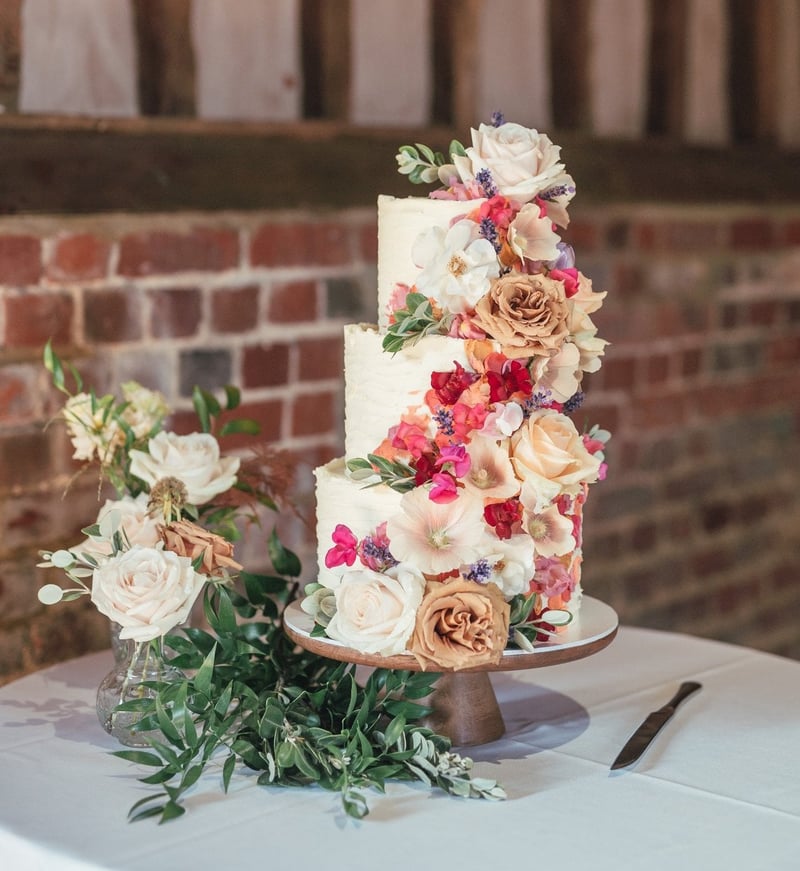
From handcrafted sugar flowers to fresh flower arrangements that cascade across tiers and extend along the table, these cakes are designed to be the centrepiece of the room. Real or sugar petals are often complemented by watercolour-inspired painted florals too, for additional texture.
And remember, florals aren’t limited to summer: some of our favourite autumn wedding cake ideas feature dried botanicals and seasonal foliage, such as olive and eucalyptus.
Single Tiers
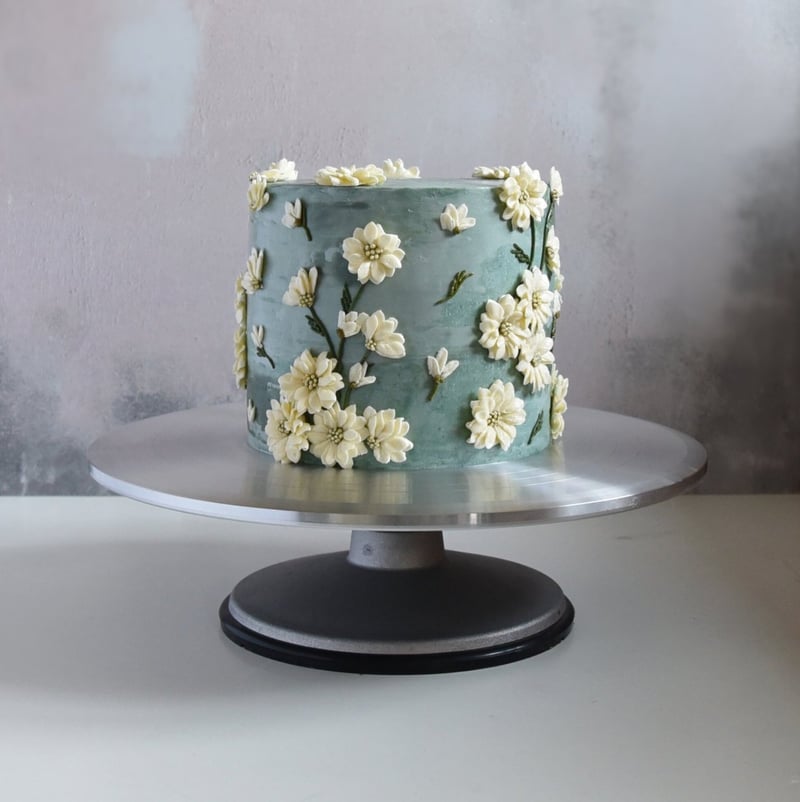
From meadow-inspired sheet cakes bursting with edible flowers, buttercream squiggles and fresh fruit to round, single tiers delicately piped with buttercream flowers, there’s a demand for statement-making sweets without tiers – and we’re here for it!
Tiramisu
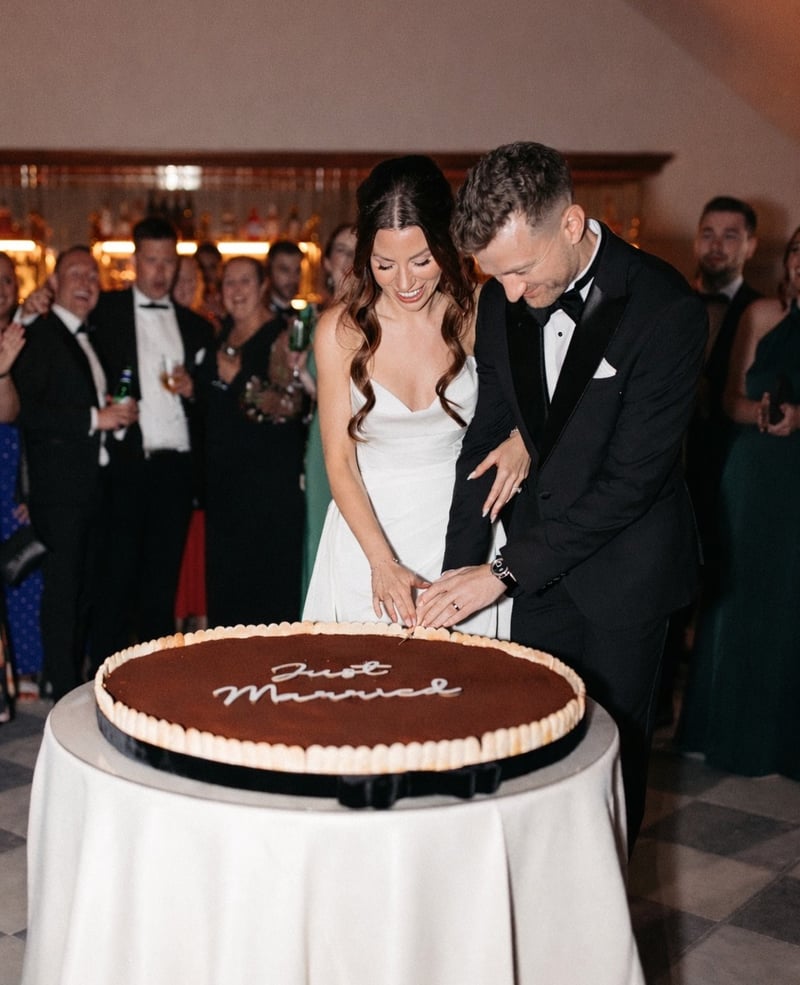
For couples who don’t want a traditional wedding cake but who still want a centrepiece and their elaborate cake-cutting moment, enter: the wedding tiramisu – a giant delectable dessert of espresso-soaked sponge, mascarpone cream and cocoa powder (alcohol optional).
Serve as an alternative to a sheet cake or in individual champagne coups for a playful and theatrical dessert table idea.
Wedding Cake Alternatives
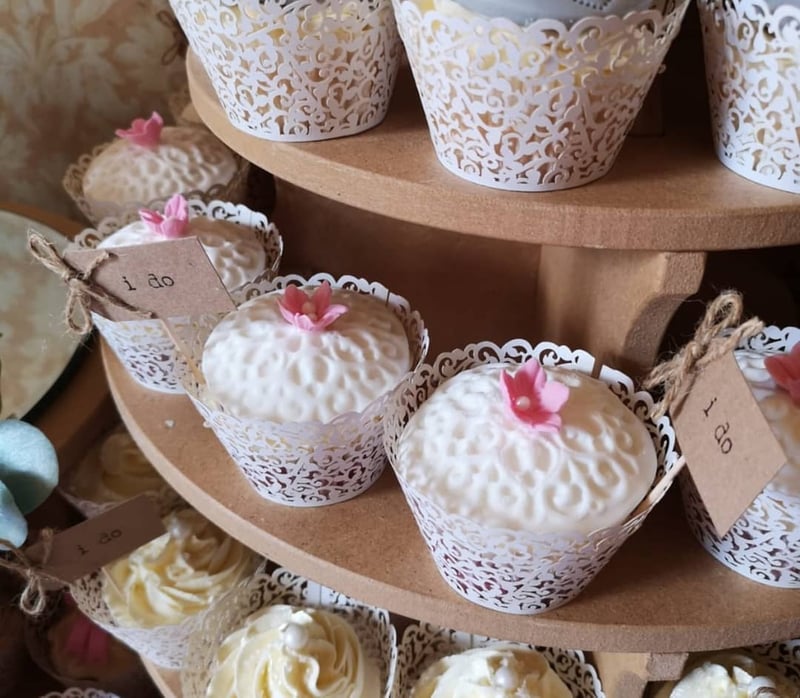
Want more ideas? If you want something more than iced sponge, and we can’t tempt you with the ideas mentioned above, we’re not done yet. Here are some of our favourite wedding cake-substitute ideas to delight your guests with:
- Dessert tables: Whether you opt for something with a homespun feel – think homemade bakes on rustic platters, assorted pies and DIY s’mores – or a set-up that is sleek and modern with beautifully styled cupcakes and macarons, there’s no denying the visual impact of a dessert table. The best thing about displaying a range of confections in this way is that you can cater to a wide variety of dietaries.
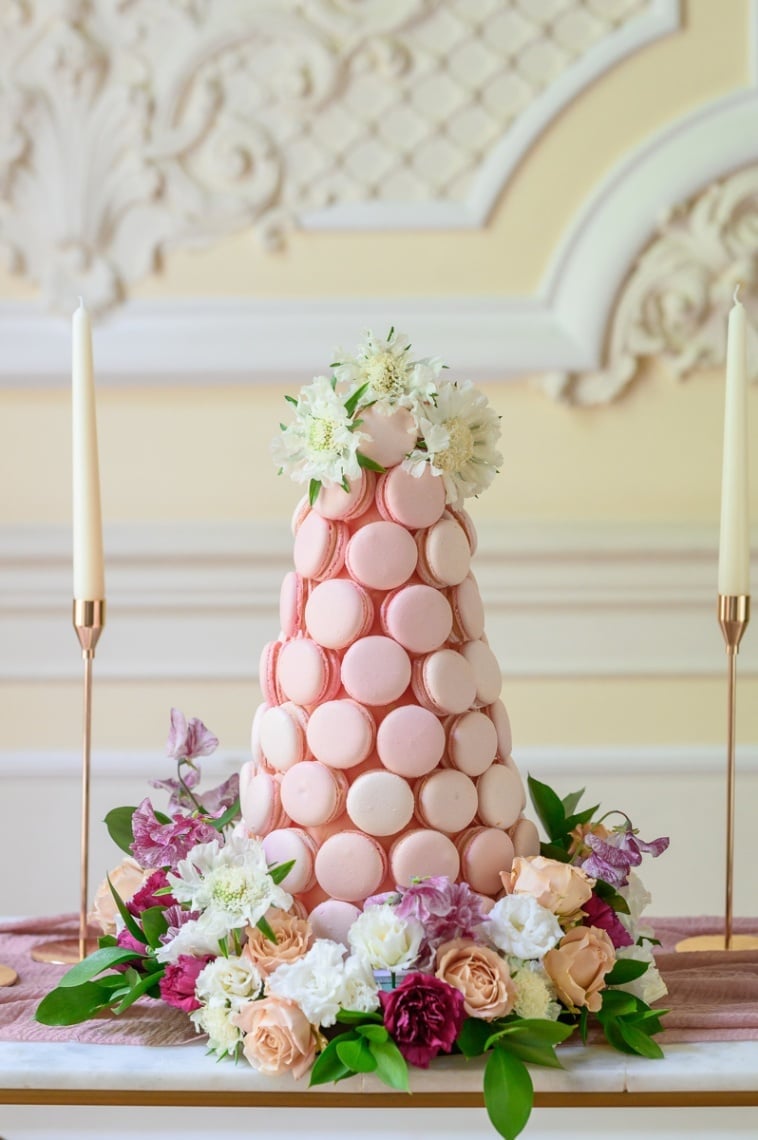
- Macaron towers: For a French twist on a classic wedding cake, these iconic bites come in a rainbow of pastel hues and are perfect for serving as a light bite to satisfy sugar cravings after the meal. They make the prettiest centrepieces, too.
- Doughnut walls: Not convinced by a doughnut stack? The doughnut wall makes a great alternative to a dessert table when you want to encourage guests to help themselves.
- American-style pies or crumbles: Apple, pecan, pumpkin, key lime or coconut meringue… these make great additions to a dessert table or as standalone centrepiece.
- Cupcake tower: A classic choice. If cupcakes aren’t your favourite bake, why not mix it up with a tower of brownies, canelés, or mini meringues? Top your tower with a single sponge tier or a posy of fresh flowers for a cottage-core-inspired celebration.
- Croquembouche: A delectable tower of delicately placed pastry puffs filled with crème pat, this traditional French dessert is held together by caramelised sugar and makes a show-stopping centrepiece. Perfect for formal celebrations.
How Much Does a Wedding Cake Cost?
Typically, the cost of a wedding cake in the UK sits somewhere between £300 and £800 for a cake that serves 80 to 100 guests.
According to data from Bridebook, the UK’s #1 wedding planning platform used by over 2.8 million couples, the average cost of a wedding cake in the UK is £360.
The cost can elicit the occasional gasp but it’s important to understand what goes into crafting a wedding cake and the different factors that can impact the overall price. These include:
- Size and number of tiers: Naturally, the more people you need to feed, the larger and more expensive your cake will be.
- Complexity of the design: A painted or sculptural cake with lots of detail will take significantly more time to create than a naked cake, for example.
- Fresh vs sugar flowers: Sugar flowers take time to craft so often fresh flowers are a significantly cheaper option, but you’ll need to check they’re organically grown, preferably edible, and haven’t been treated with any harmful pesticides.
- Baker’s experience and location: The more experienced and sought-after your baker is, the higher the cost of their cakes. It’s worth noting that cake makers in London and the south-east tend to be more expensive than other regions, too.
If you’re looking for cheap wedding cake ideas or budget options, opt for a simpler decoration style – naked, semi-naked or with minimal buttercream are best for something affordable.
You’ll still have a delicious and beautiful-looking cake, but for less.
Consider alternative options, too. In some cases, cupcake towers, small macaron towers or doughnut stacks can work as more affordable wedding cake ideas.
What Size Wedding Cake Do You Need?
Your cake maker will be able to advise on the kind of cake that works best for your guest numbers, and will determine the size you will need. But as a general guide:
- Up to 50 guests: a two-tier cake is typically sufficient (8”, 10”)
- 50-100 guests: three tiers (8”, 10”, 12”)
- 100-150 guests: three to four tiers (or supplement with a cutting cake)
- 150+ guests: four tiers (8”, 10”, 12”, 14”) plus a cutting cake
This guide is based on dessert-sized portions but if you’re opting for smaller, finger portions as a later-evening addition, the size you will require will vary.
When Should I Book My Cake Maker?
Booking your wedding cake maker 9-12 months ahead of your wedding date is the ideal, particularly if your baker is highly sought-after or if you’re getting married in peak wedding season (May to September).
Outside of that, six months ahead of the day is usually workable.
If you’ve got your heart set on someone in particular, don’t waste time in nailing them down to avoid disappointment. Many well-regarded UK cake makers will get booked up 12 months in advance for Saturdays.
The tastings usually happen a few months before the wedding, once the brief has been agreed. And remember, there’s absolutely no commitment at this point – if you don’t like what you’re tasting, you’re entitled to look elsewhere. Tastings are a standard part of the wedding cake choosing process.
Wedding Cake Ideas UK: FAQ
What types of wedding cake are there?
The most popular styles of wedding cake in the UK are tiered wedding cakes (traditional stacked tiers that are either covered in fondant or buttercream icing), naked cakes (no icing, where the sponge layers are visible), and semi-naked cakes (with a thin layer of buttercream).
However, other options include drip cakes (with a ganache ‘drip’ finish), sheet cakes, cheese towers and wedding cake alternatives such as cupcake towers.
How much does a wedding cake cost in the UK?
Most wedding cakes cost between £300-£800 for a design that serves between 80-100 guests. Cakes that require more complex decoration, such as sugar flowers, hand-painted details or multiple tiers, will increase the price.
Naked cakes are the most budget-friendly option and can be decorated cheaply with fresh fruit and flowers.
When should I order my wedding cake?
Aim to order your wedding cake 9-12 months in advance of your wedding day if you are getting married in peak summer season. In the autumn or winter, six months is also doable.
Remember, highly sought-after bakers can get booked up to a year in advance, particularly on weekends.
What size wedding cake do I need?
A three-tier cake with 8-inch, 10-inch and 12-inch tiers will typically serve between 80-100 guests. For more intimate weddings, a single or two-tier cake is usually sufficient.
If you have more than 100 guests, consider an additional cutting cake alongside the main display. Your cake maker will be able to advise on their sizing and pricing based on your guest numbers.
How do I find a good wedding cake maker?
Browse wedding cake makers on Bridebook, where you can view portfolios, read reviews, and enquire directly. Search by location to find cake makers near you.
Why Trust Bridebook
Bridebook is the world’s #1 wedding planning platform, used by over 2.8 million couples. Our content is informed by real data from the Bridebook UK Wedding Report, which draws on responses from thousands of couples planning their weddings each year. Where expert input is included, contributors are named and their credentials verified. We update our articles regularly to ensure prices, statistics, and advice reflect current market conditions.
You Might Also Like…
- How Much Does a Wedding Cake Cost?
- How to Save Money on a Wedding Cake
- Wedding Cake Ideas: 70 Stunning Designs for Every Style
Related articles