Wedding Stationery: A Complete Guide to Everything You Need

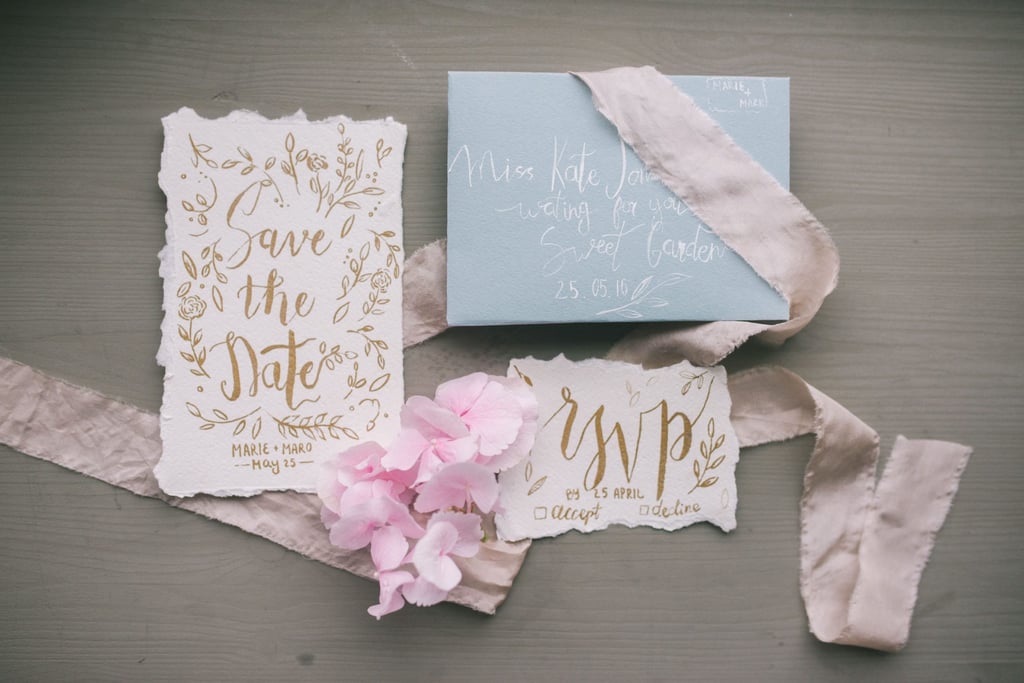
From the moment you send those save the dates, your wedding stationery is the first glimpse your guests will have of your wedding and, understandably, you want them to be blown away. Everything from your invitations to your table plan and thank-you cards will set the tone for your celebration.
But there’s a whole world of wedding stationery out there and knowing what you need (and what’s a nice-to-have) can be confusing. Not to mention how much you need to budget. That’s why we’ve pieced together this guide to choosing your wedding stationery in the UK, with a complete checklist of items and everything you need to know.
Disclaimer: This article is for informational purposes only and does not constitute financial advice. Always seek independent financial advice for your specific circumstances.
Ready? Let’s break it down…
What is Included in Wedding Stationery?
From the save the dates to thank-you cards and everything in between, our wedding stationery checklist is a breakdown of all the items you need.
Before the wedding
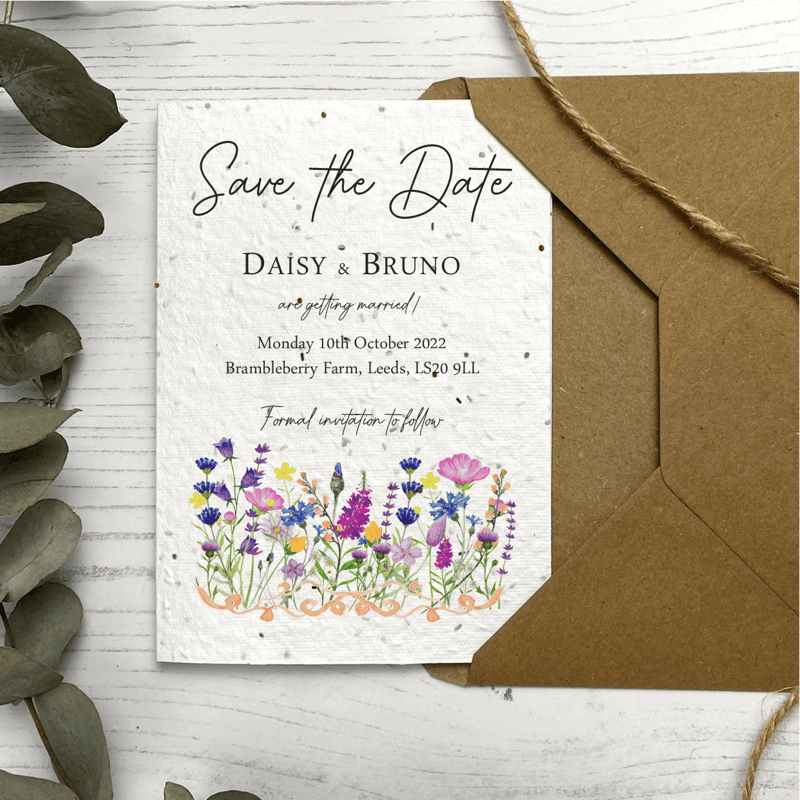
Save the dates: Typically sent 9-12 months ahead of the wedding, your save the dates set the tone, and are a simple way to let guests know the date before the formal invitation is ready.
Wedding invitations: Your formal wedding invitations are sent 6-8 weeks before the wedding (or earlier for destination weddings). These will include all the key details: the date, time, venue and RSVP instructions.
RSVP cards: These can be separate cards enclosed in your invitations or linked digitally via a QR code or similar. Always include the date your guests need to confirm their attendance by and, where relevant, any meal choices or dietary requirements.
Information cards/wedding website cards: These supplementary cards aren’t essential if you have featured a link to your wedding website. If you do have them, be sure to include information about travel and parking, accommodation options, and any additional details guests will need to know ahead of the day.
On the day
Order of service: An order of service is typically expected at a church wedding where there are hymns, but it’s often nice to have one for a civil ceremony, too, as a who’s-who of the wedding party and a lasting memento for guests. For something alternative, wedding newspapers are a fun option.
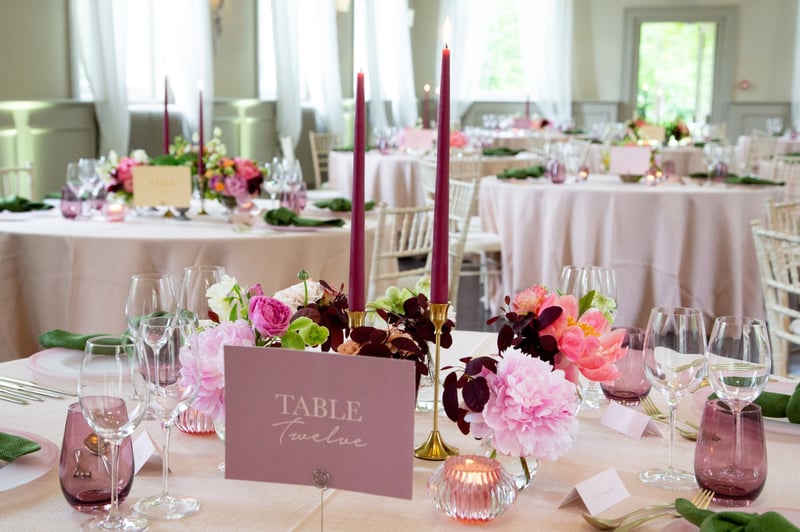
Table plan: Your table plan or ‘seating chart’ is displayed at the entrance to the wedding breakfast so guests can find their seats. This can be a printed board, a framed design, or something else entirely – think labelled wine bottles or potted plants that double up as favours.
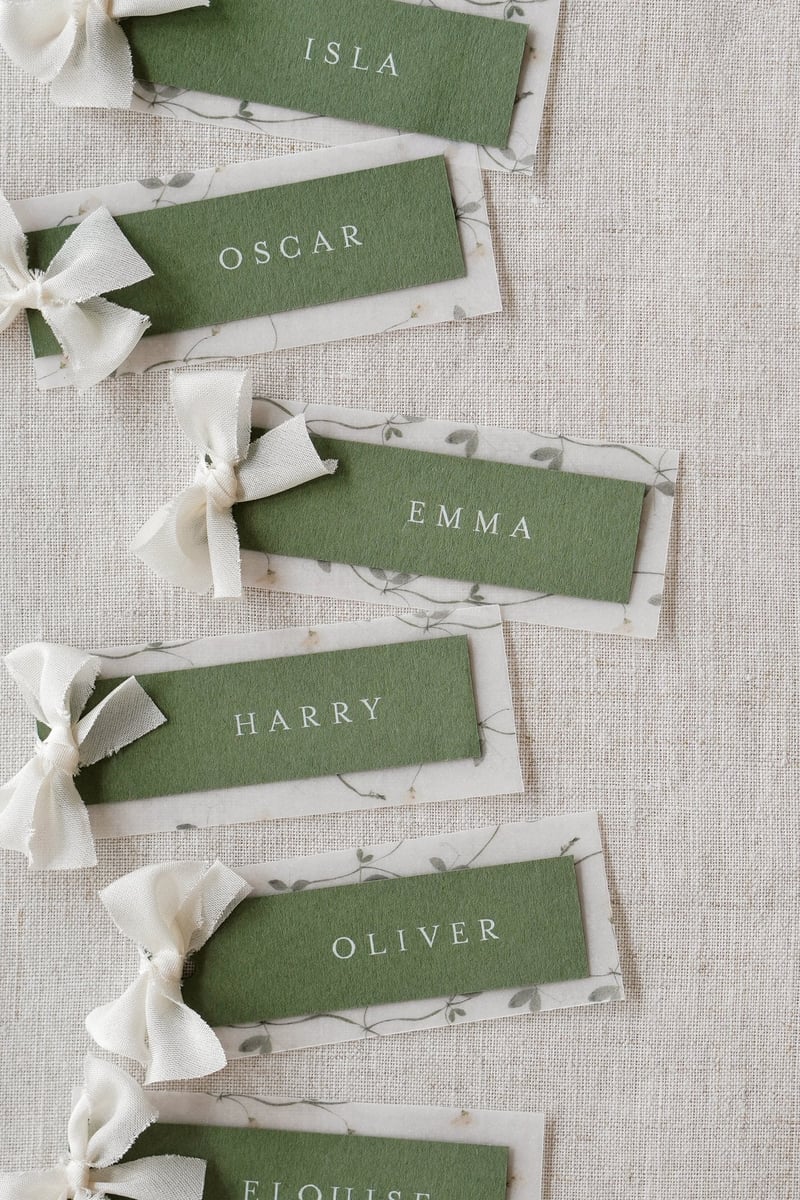
Place cards: These are individual cards at each place setting showing the guest’s name.
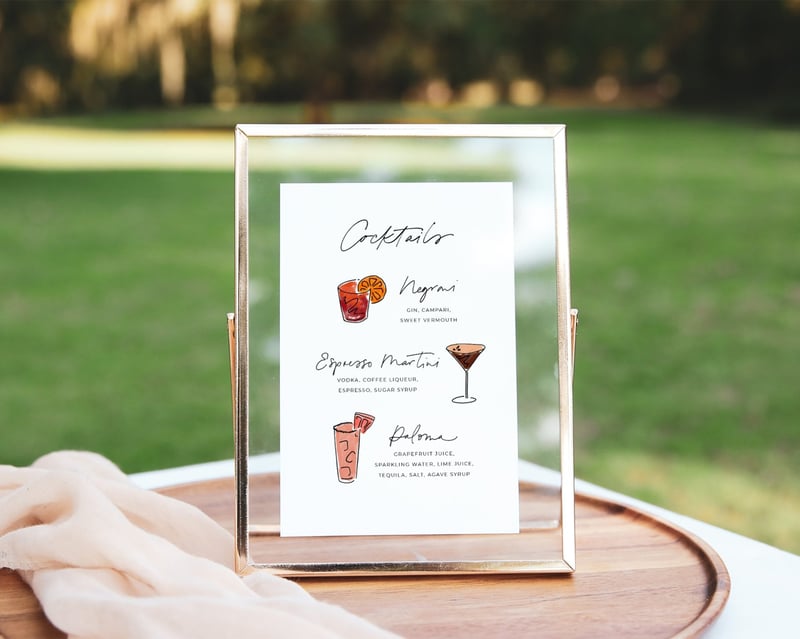
Menus: Choose from one large menu on the wall or individual menus at each place setting, which could also double up as place cards.
Signage: You might want to include directional or decorative signs throughout your venue, such as welcome signs, bar menus, table numbers, or order of service boards.
After the wedding
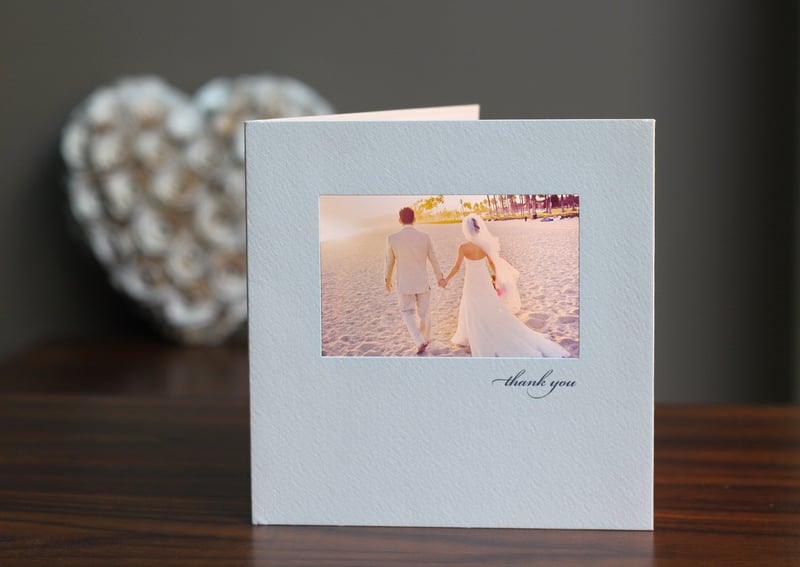
Thank-you cards: Don’t forget to thank your guests after the wedding for their presence and gifts. These are often overlooked when you’re knee deep in menus and invitations, but unless you’re hoping to include a photo from your wedding, it might work out cheaper for you to order these alongside the other items on your wedding stationery list.
What is a Wedding Stationery Suite?
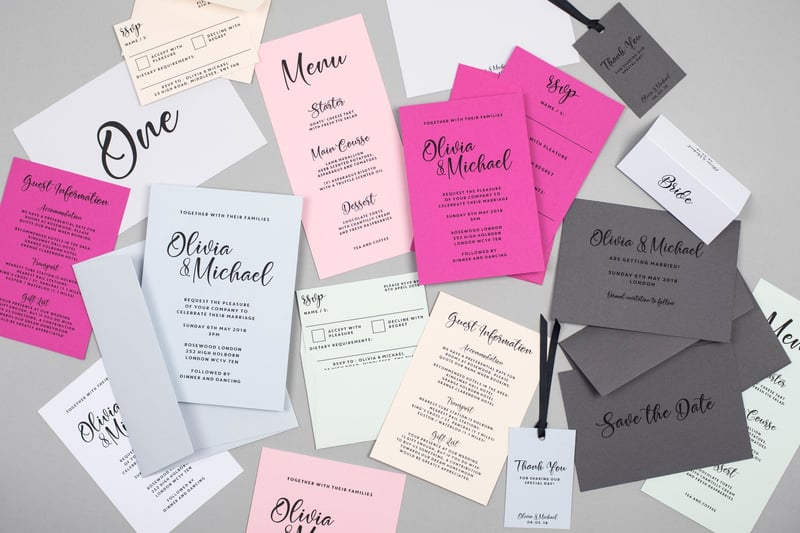
A stationery suite is a cohesive set of stationery items designed to share the same visual identity, so a dedicated colour palette with consistent fonts and design motifs, for example.
The idea is that every part of your wedding stationery – from the save the dates to the place cards – feels intentional and connected.
It’s also important that the style of your stationery suite is one that reflects you and the tone of your wedding: think trad ribbons, gold trimmings and wax seals for the forever-classic couple, or floral prints and rustic textures for countryside chic.
Buying a suite from a single wedding stationery designer is usually more cost-effective than commissioning each piece separately and is a much simpler way to ensure consistency. Depending on your style and budget, you might choose a suite template and personalise it, or commission a completely bespoke design.
Wedding Stationery Timeline: When to Order Each Piece
… and when to send them to your guests! Add this to your wedding planning checklist, pronto.
12-15 months before the wedding
This is the time to begin researching designers and styles for your paper goods, particularly if you want something bespoke. Popular wedding stationers get booked up quickly, sometimes a year in advance for peak summer dates, so get in early to avoid disappointment.
9-12 months before
Save the dates aren’t compulsory – particularly if you’re planning a wedding at short notice and want to skip straight to the invitations. However, if you are sending save the dates, do this as soon as the venue is confirmed.
4-6 months before
Your wedding invitations will likely consist of more than just one card, so now is the time to finalise your design and wording in order to allow time for proofing. Check and check it again. Remember, a printed error is expensive to correct!
6-8 weeks before
Now is the time to post your wedding invitations, along with your RSVPs and anything else you need to include. Request that your guests confirm their attendance 4-6 weeks before the wedding date.
4-6 weeks before
By now your final guest numbers should be more or less in, so it’s time to order your on the day wedding stationery, including your table plan, order of service, place cards, menus, table numbers, wedding signage and favour tags.
After RSVPs close
Finalise your seating plan and share it with your wedding stationery designer for the final table plan and place cards.
Any time (but don’t forget!)
There’s only one paper product you need to think about post-wedding, and that’s your thank you cards, which can be ordered any time. Aim to send these out within three weeks after the wedding.
How Much Does Wedding Stationery Cost in the UK?
Since your save the dates or invitations are one of the first elements of your wedding you’ll be spending out on, it’s important to understand how much wedding stationery costs and the reasons why it’s priced as such.
If you’re considering going down the DIY route and purchasing a templated suite to print yourself, expect to pay anywhere from £50-£200, depending on the suite and whether you choose to print it at home or through a dedicated print service.
This is the cheapest route but naturally it’s also the most time-intensive, and the quality will depend significantly on equipment and skill.
Semi-custom designs, where a couple will choose a templated suite from an online stationer or Etsy designer and personalise it, is a popular route and a great middle ground for those who want a professional design with some personalisation. This typically costs £200-£600 for a full suite.
For something completely bespoke, expect to pay somewhere between £600 to £2,000 from an independent wedding stationery designer.
The cost of a bespoke suite will vary wildly depending on the complexity of the design, the paper stock, level of personalisation and any finishes such as foil stamping or hand-drawn illustrations, so it’s best to go in with a budget in mind and let your wedding stationer guide you on what might work for you.
If you’re looking for cheap wedding stationery, the easiest way to bring costs down is to choose simpler designs and standard paper stock as opposed to premium. It can also be cheaper to order the full suite together, rather than piece by piece.
Incorporating digital elements into your wedding stationery will also save on the cost of printed cards. Consider adding a QR code for digital RSVPS, or directing invitees to your wedding website to find out more information on accommodation and logistics.
Digital vs Printed Wedding Stationery
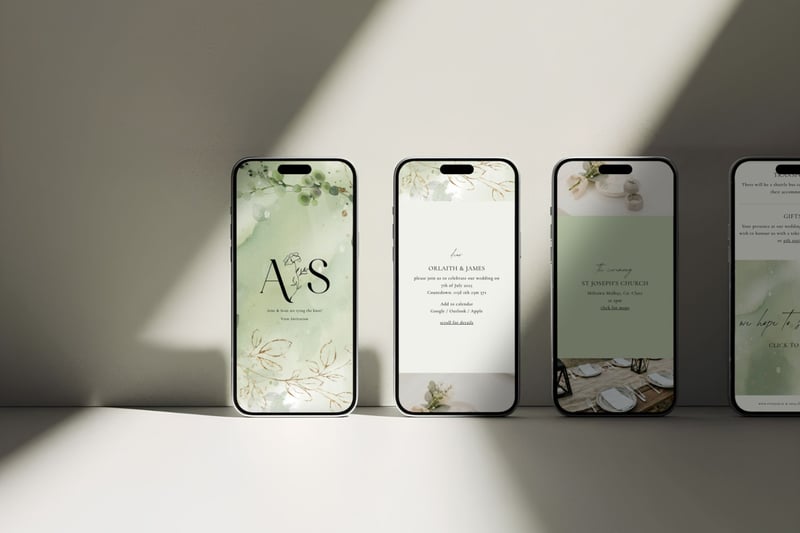
In addition to being better for the environment, paperless invitations are becoming increasingly popular because they’re notably cheaper, make managing RSVPs easier, and they can save time when you’re in the throes of wedding planning.
That said, many couples still love the idea of a physical invitation to set the tone for their day. Allow us to walk you through it:
Digital wedding stationery could be for you if…
- You’re on a budget. Digital invites are significantly cheaper since you’re not paying for printing or postage.
- You’re short on time. It offers instant delivery and RSVPs are easier to manage.
- You have a large guest list or are getting married abroad, and there are lots of logistics to include.
- You’re an eco-conscious couple who are keen to reduce paper waste.
Digital wedding stationery isn’t for you if…
- You’d like guests to have a physical keepsake.
- You’re having a formal wedding and want to set the tone in a way perhaps a digital wedding invite can’t match.
- You simply love the look and feel of a tactile invite.
- You have lots of invitees (particularly older family members) who would respond better to a physical invitation.
Remember, it’s really easy to incorporate both! A printed invitation can feature digital RSVP codes and wedding websites for practical information to help you save on costs and paper.
How to Choose Your Wedding Stationery Style
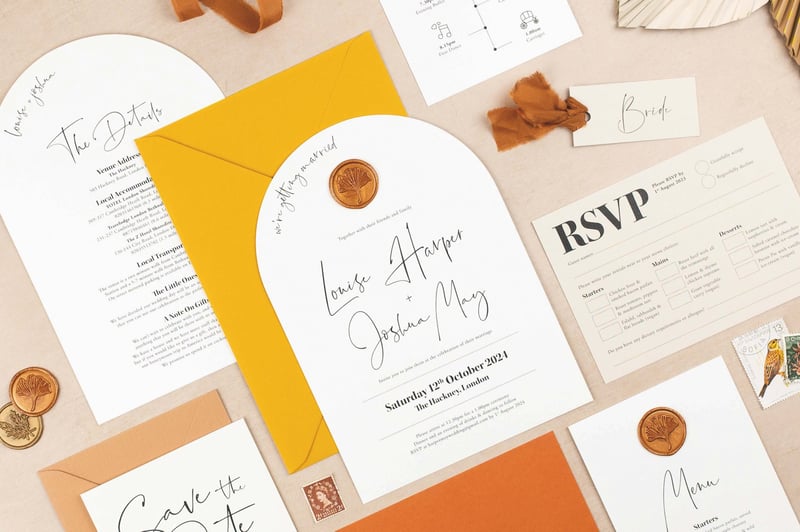
It can be easy to feel overwhelmed when it comes to making design decisions about your wedding, but the truth is, most of us are making aesthetic decisions every day in the way that we dress, where we shop, and how we decorate our homes.
Start by paying attention to what you gravitate towards when it comes to fashion and interior design.
Here are some other practical tips that can help when choosing your wedding stationery style:
- Be inspired by your venue: A rustic-style tipi in a field calls for a very different style of wedding stationery than a formal hotel ballroom, for example. Your stationery should feel like an extension of your venue.
- Use your colour palette as an anchor: Once you’ve chosen your wedding colours, your stationery choices become much easier.
- Look at other couples’ stationery: Browsing wedding and stationery content on Pinterest and Instagram will open up the conversation about what aesthetically resonates with you as a couple.
- Consider your wedding stationery wording. This will also impact the style and design that you choose.
- Order samples before committing: All good wedding stationery designers will offer sample packs so you can see and feel the paper stock, print quality and finishes first hand. Always request samples before placing the final order.
DIY Wedding Stationery: A Realistic Guide
If you’ve got big plans but are low on funds, you might be tempted to get creative with some wedding stationery DIY. And while this can be a fantastic way to put your own stamp on your wedding, it’s important not to overwhelm yourself. Consider biting off manageable chunks, such as:
- Customising a professional template. Platforms such as Papier or Canva are great starting points.
- Adding your own personal touches to professionally printed pieces. Think ribbons, wax seals or hand-addressed envelopes.
- Utilising framed chalkboards for any easy way to display signage and menus.
If you’re looking for specialist finishes, that’s when your stationery should be left to the pros. Techniques such as foiling, letterpress and laser cutting all require professional (and expensive) equipment.
Wedding Stationery UK: FAQ
What wedding stationery do I need?
The core pieces of stationery you need for a wedding include formal invitations, RSVP cards and thank-you cards, but there will be other on-the-day wedding stationery elements that you might want to incorporate, too. These include a table plan, place cards, table numbers and menus.
Extras such as wedding signage or order of service will depend on the format and style of your celebration.
When should you order wedding stationery?
If you’re sending save-the-dates, order these 9-12 months ahead of your wedding day so you can send them out as soon as the venue is booked. Wedding stationery etiquette dictates that your invitations should go out 6-8 weeks before the wedding, so they need to be ordered 4-6 months in advance.
On-the-day wedding stationery should be ordered once the final guest numbers are confirmed, usually 4-6 weeks before the wedding.
How much does wedding stationery cost?
How much your wedding stationery will cost depends on whether you choose the DIY route, a semi-custom design or a fully bespoke suite.
You can pay anywhere between £50-£200 for a DIY or template approach, £200-£600 for a semi-custom online designer, and £600-£2,000 for bespoke designs from an independent wedding stationer.
According to Bridebook, the UK’s #1 wedding planning platform used by over 2.8 million couples, couples spend an average of £378 on wedding stationery.
What is a wedding stationery suite?
A wedding stationery suite is a cohesive set of stationery items – save the dates, invitations, on-the-day pieces, and thank you cards – designed around a shared visual identity: consistent fonts, colour palette, and design style.
Ordering a suite from a single designer ensures everything feels intentional and connected, and is usually more cost-effective than commissioning each piece separately. Some couples choose a template suite and personalise it; others commission a fully bespoke design.
Do you need matching wedding stationery?
You don’t need to have matching or identical wedding stationery, but all the pieces should feel cohesive in some way.
Your save the dates, invitations, and on-the-day stationery should all look like they belong to the same wedding – a consistent colour palette and font is usually enough to create a unified look.
Ready to find a wedding stationery designer?
Browse stationery suppliers on Bridebook, view portfolios, and enquire directly today.
Why Trust Bridebook
Bridebook is the world’s #1 wedding planning platform, used by over 2.8 million couples. Our content is informed by real data from the Bridebook UK Wedding Report, which draws on responses from thousands of couples planning their weddings each year. Where expert input is included, contributors are named and their credentials verified. We update our articles regularly to ensure prices, statistics, and advice reflect current market conditions.
You Might Also Like…
Related articles