Wedding Videography Cost UK: How Much Does Wedding Video Cost?

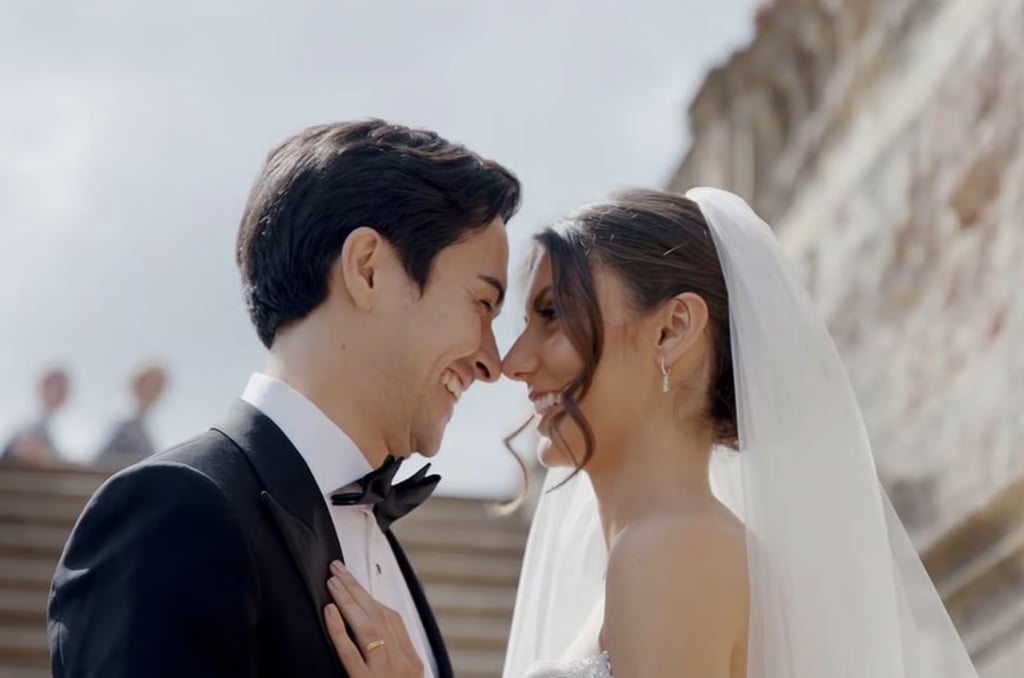
Ask any couple a year after their wedding what they wish they’d booked, and the answer is almost always the same: a videographer.
Photos capture how everything looked. Video captures how it sounded, how it moved, how it actually felt – the crack in someone’s voice during the vows, the laughter that erupted after the best man’s speech, the moment the two of you stopped and looked at each other during the first dance.
Wedding video cost in the UK typically ranges from £500 to £2,500. According to Bridebook’s 2026 data on the average cost of a wedding, the UK average is £1,514 – closely mirroring photography costs, and often the thing couples say they’re most glad they spent money on.
Below, we cover what drives that cost, what different packages actually deliver, and how to figure out what’s right for your day.
How Much Does Wedding Videography Cost in the UK?
Most couples spend between £500 and £2,500 on a wedding videographer, with a UK average of £1,514 (Bridebook, 2026). That’s not a ceiling – it’s a midpoint.
Some couples spend less on short ceremony-only coverage; others invest more for a full cinematic production with multiple cameras and a longer edit.
It’s worth remembering that the average reflects the full spread of UK weddings – intimate registry office ceremonies through to large venue days, across every region. It’s a useful anchor, not a target.
| Region | Typical Range | Average |
|---|---|---|
| UK (national) | £500–£2,500 | £1,514 |
| London & South East | £700–£3,000+ | ~£1,800–£2,200 |
| Rest of England | £500–£2,200 | ~£1,300–£1,500 |
| Scotland / Wales / NI | £500–£2,000 | ~£1,100–£1,400 |
Behind the day rate is a significant amount of unseen work. A camera operator alone costs £450–£650 per day; post-production editing typically runs £350 per day on top. Factor in equipment, travel, admin and the time spent on your final film- and the price starts to make sense.
What Affects the Price of a Wedding Videographer?
No two quotes are identical. These are the variables that move the cost most significantly:
Hours of coverage
The single biggest driver of price. Ceremony-only coverage (2–3 hours) is a very different product to full-day coverage from morning preparations through to the evening reception. Be honest with yourself about what you’ll want to watch back before deciding on hours.
Experience
A videographer with 200 weddings behind them charges more than someone in their first season. That premium reflects editing instinct, the ability to anticipate moments before they happen, and the composure to deal with whatever the day throws at them – a late schedule, difficult lighting, an unexpected downpour.
Style and production quality
Cinematic, documentary, editorial – each has a different production cost behind it. A true cinematic film involves colour grading, sound design, music licensing and a longer edit. That takes time, and time costs money.
Number of cameras and crew
A second camera operator gives you simultaneous coverage – both perspectives during the ceremony, more natural moments across the reception. Expect this to add at least £300–£600 to your total.
Drone footage
Popular for countryside venues and architecturally striking buildings. Not every videographer is licensed to fly (they’ll need a Flyer ID and Operator ID – worth checking), and it adds cost. If you want it, confirm it’s included in writing.
Post-production depth
There’s a significant difference between a lightly edited highlights reel and a fully crafted wedding film with a narrative arc, clean audio, licensed music and multiple rounds of refinement. Both are valid – but they’re not the same product, and they’re not priced the same way.
Date and location
Peak Saturdays in summer cost more. London and the South East cost more. A venue that requires significant travel or overnight accommodation will likely see travel costs added to your quote – check whether these are included or billed separately.
Wedding Video Packages: What’s Typically Included?
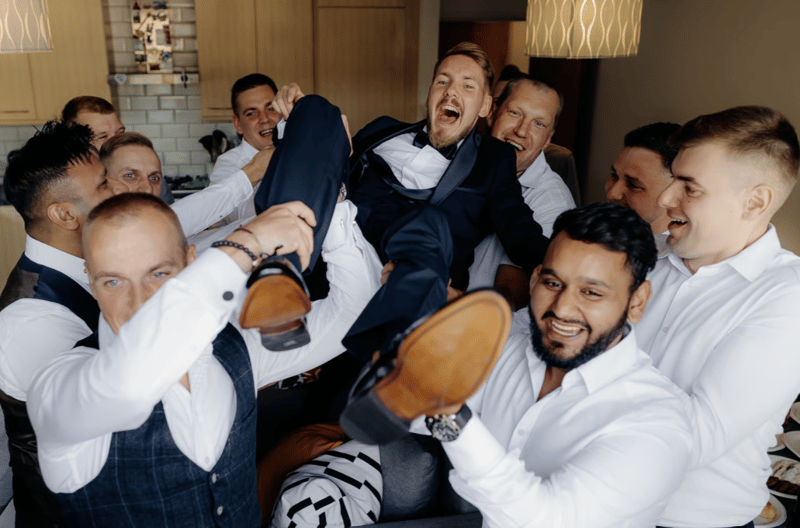
Use this as a reference point when comparing quotes. Always confirm what’s included and ask specifically about any extras before signing.
| Budget | Coverage | What You Typically Get | Best For |
|---|---|---|---|
| Under £1,000 | 2–4 hours | 1 videographer, ceremony coverage, short highlights edit | Registry office or intimate ceremonies |
| £1,000–£1,500 | 4–6 hours | 1 videographer, half-day coverage, highlight film | Smaller weddings, shorter days |
| £1,500–£3,000 | 6–10 hours | 1 videographer (second optional), full or near full-day, highlight film + ceremony in full | Most UK weddings |
| £3,000+ | 10+ hours | Multiple cameras, full cinematic edit, full-day through to reception | Large venue weddings, luxury or destination |
What’s usually included across most packages:
- Coverage on the day (hours vary by package)
- Edited highlight film (typically 4–10 minutes)
- Full ceremony and speeches recording
- Private online gallery or USB delivery
- Personal use rights for sharing
Common paid extras:
- Second camera operator
- Drone footage
- Same-day edit (shown at the reception)
- Raw / unedited footage
- Video messages from guests
- Expedited delivery
Wedding Film vs Highlight Reel vs Full Edit: Know What to Ask For
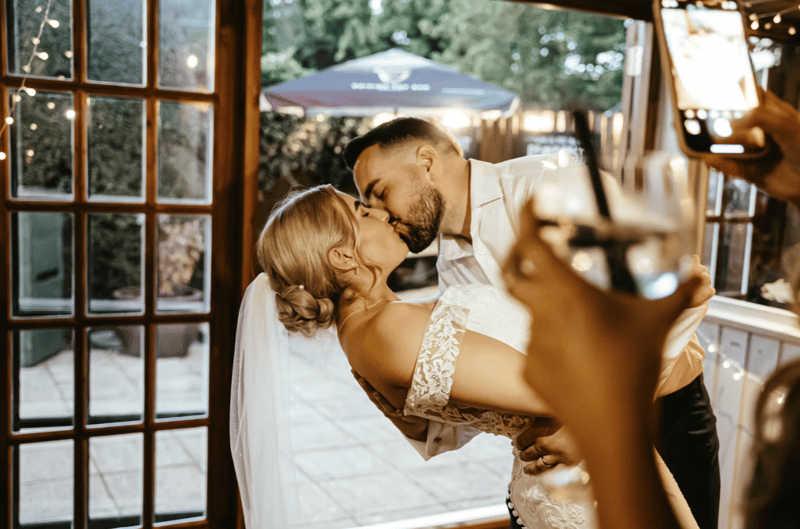
These terms get used interchangeably by couples and suppliers – but they mean different things. Knowing the difference means you can ask the right questions and compare quotes properly.
Highlight reel / highlights film
Usually 3–8 minutes. A curated edit of the best moments from across the day, set to music. This is what most packages include as standard, and for most couples, it’s the thing they’ll actually watch – and share. It’s designed to capture the feel and emotion of the day rather than document it in full.
Full ceremony recording
The vows, the rings, the readings – captured in their entirety, uncut. Some couples want this separate from the highlights film so they can replay the ceremony exactly as it happened. Often included in mid-range and premium packages, or available as an add-on.
Full edit / feature film
A longer, more comprehensive film – typically 30–90 minutes – that covers the whole day from beginning to end. Rarely included in standard packages; usually a premium add-on or a feature of top-tier packages.
Genuinely useful if you want a complete record, but be realistic about how often you’ll watch something feature-length versus a tight 6-minute highlights film.
What to ask your videographer:
- What length is the highlights film in this package?
- Is the full ceremony recording included, or is that an extra?
- Can I see an example of a complete film, not just a trailer?
- What music licensing do you use, and will the film be shareable on social media?
- How many rounds of revision are included?
Music licensing in particular affects whether you can share your film on social platforms without it being muted – worth clarifying before you sign anything.
Photography vs Videography: If You Can Only Afford One
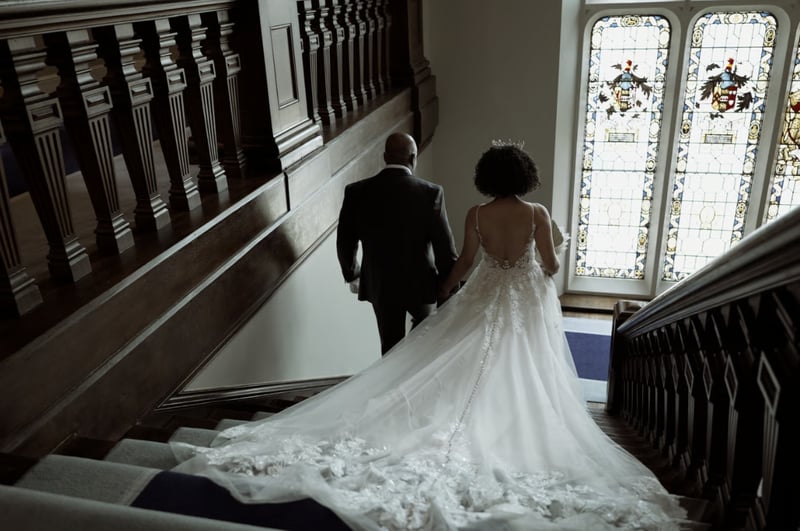
Most couples prioritise photography – and there’s a reason for that. Photos are immediate, easy to share, easy to display, and the format most people are familiar with. According to Bridebook data, one third of weddings in 2025 had a videographer.
If you’re genuinely weighing up the two: video captures things photography can’t. Sound. Movement. The actual words of the vows. The reaction from the crowd during the speeches. There’s something irreplaceable about being able to hear the day again, not just see stills of it.
A couple of things to consider:
- If the speeches matter to you, you’ll want to replay them – video has the edge
- Rewatching your wedding ceremony back is a magical experience
- If budget allows, some suppliers offer combined photography and videography packages at a saving
For a full breakdown of photography costs, see our wedding photography prices guide.
And if you want to see how both fit into your overall spend, our wedding budget breakdown shows you how couples are typically allocating costs across the full day.
How to Find a Wedding Videographer
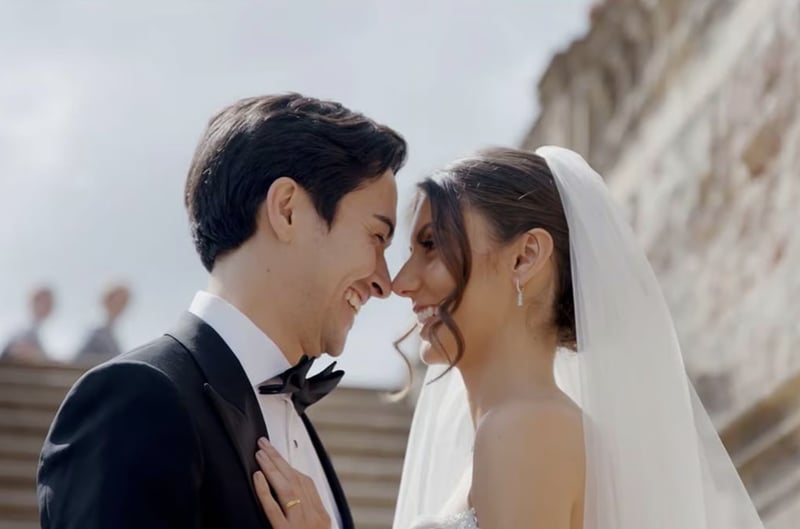
1. Watch full films, not just trailers
Showreels are designed to impress. A full wedding film – even a highlights reel from a real wedding – tells you much more about how a videographer works, how they handle the quiet moments, and what their editing style actually looks like day-to-day.
2. Check their licensing and insurance
If you want drone footage, confirm they hold a valid Flyer ID and Operator ID. Check they’re insured – some venues require proof before the day. These are basic due diligence questions, not awkward ones.
3. Book earlier than you think you need to
Popular videographers – across every budget tier – fill up fast. For summer Saturdays, 18 months in advance is realistic. If you’ve found someone whose work you love, don’t wait.
4. Use Bridebook to compare
Browse wedding videographers on Bridebook – filter by location, style and budget, read verified reviews and contact suppliers directly. Every listing shows portfolio work so you can get a feel for their style before you reach out.
FAQs
How much does wedding videography cost in the UK?
Most couples spend between £500 and £2,500, with a UK average of £1,514 (Bridebook, 2026). Costs vary based on hours of coverage, location, experience and what’s included in the package.
Is it worth having a wedding videographer?
For most couples who’ve been through it – yes. Video captures things photography can’t: sound, movement, the exact words of the vows. It’s consistently cited as one of the things couples are most glad they invested in.
Whether it’s worth it for you depends on what you want to be able to relive from the day.
What’s the difference between a wedding video and a wedding film?
“Wedding video” tends to refer to a straightforward recording of the day. “Wedding film” implies a more produced, cinematic end product with a narrative structure, colour grading and sound design.
In practice, suppliers use the terms differently – so ask to see examples rather than relying on the label.
How long should a wedding video be?
Most couples find a 5–8 minute highlights film is the format they actually watch and share. A full ceremony recording is useful to have separately. Feature-length edits (30–90 minutes) exist too.
Should I hire the same person for photography and videography?
Not necessarily – but if a supplier or studio offers both, it’s worth considering. Teams who work together regularly coordinate naturally on the day, which means fewer awkward moments where they’re stepping on each other. Some combined packages also offer a saving versus booking separately.
Ready to Find Your Wedding Videographer?
Browse videographers across the UK – filtered by location, style and budget – on Bridebook. Every profile includes portfolio films, verified reviews and clear pricing.
Find wedding videographers on Bridebook
You might also like:
- Wedding Photography Prices UK
- The Ultimate Wedding Budget Breakdown
- How Much Does a Wedding Cost in the UK?
Related articles