Which Finger Does an Engagement Ring Go On? Ring Finger Traditions Explained

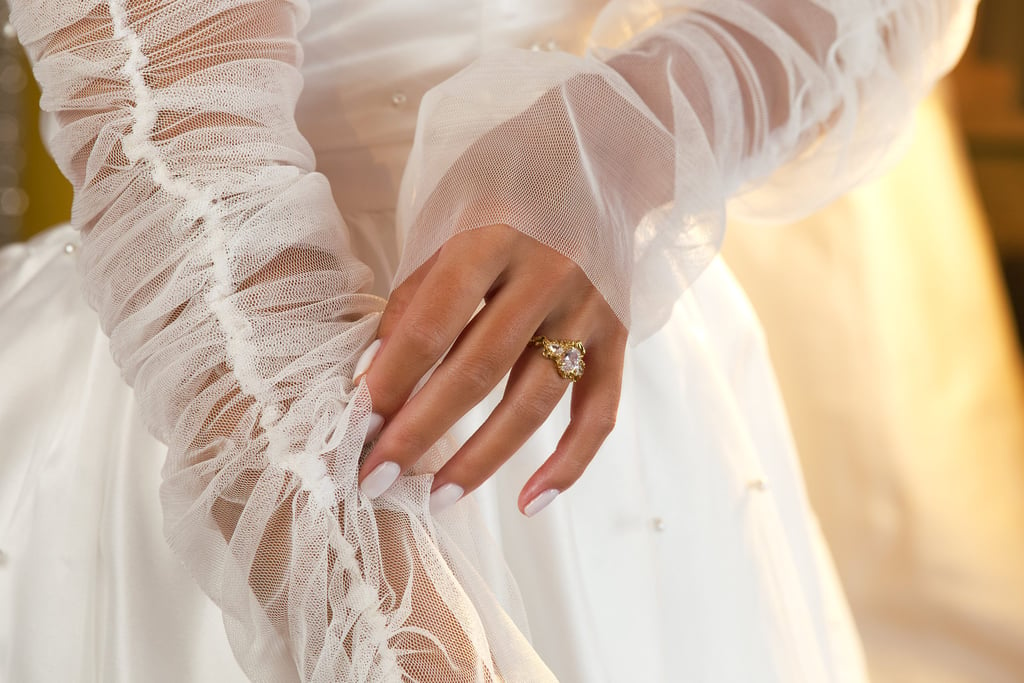
Your engagement ring finger is the fourth finger on your left hand, more commonly known as the ring finger. Much like a wedding itself, how most people wear their engagement ring is rooted in tradition, but many modern couples are choosing to throw out the rulebook, which we delve into more below.
From the history of why it’s worn on the left hand, to the countries which traditionally wear an engagement ring on different hands, and what you can do if you’re just not that into wearing a wedding ring on the same finger, this article tells you all you need to know.
Oh, and if you need to secretly (or not-so secretly) work out your ring finger size, our guide to ring sizes has you covered.
Which Finger Does an Engagement Ring Go On?
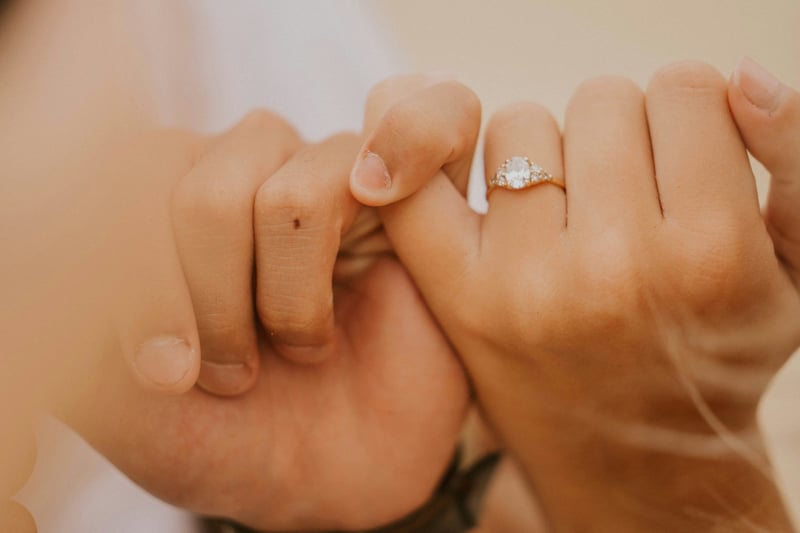
Nowadays we wear jewellery on all our fingers, wedded or not. Which can make it difficult to remember which ring is the ring finger – not just for you, but for your partner who wants to slide the carefully chosen piece of jewellery onto your hand after proposing.
- In the UK, it’s traditional for your engagement ring to go on the fourth finger (the one beside your little finger) on your left hand. This is commonly known as your ‘ring finger’ for this reason.
- In ancient times, it was believed that what we now call the ‘ring finger’ has a vein that ran directly to the heart, known as the vena amoris (vein of love), hence why the finger was chosen. While we know a lot more about the human body these days, this wedding tradition is one that has withstood the tests of time the longest.
- When you are married, your wedding ring will sit on the same finger, underneath your engagement ring. Traditionally, this has always been the case because it’s closer to your heart.
Which Hand Does an Engagement Ring Go On?
It’s common for people to not know (or forget!) which hand you wear an engagement ring on. And while the left hand is the traditional side, the most important thing is to wear your engagement ring in a way that feels comfortable for you.
- In the UK, and across most Western countries, engagement rings are worn on the left hand.
- This tradition stems from the same reason why people wear engagement rings on the fourth finger of their left hand – because ancient cultures believed there was a direct physical link connecting this finger to the heart.
- There are some countries where people wear their engagement and wedding rings on their right hand, including Russia, India, and Spain.
Does the Tradition Differ for Men, or Across LGBTQ+ Couples?
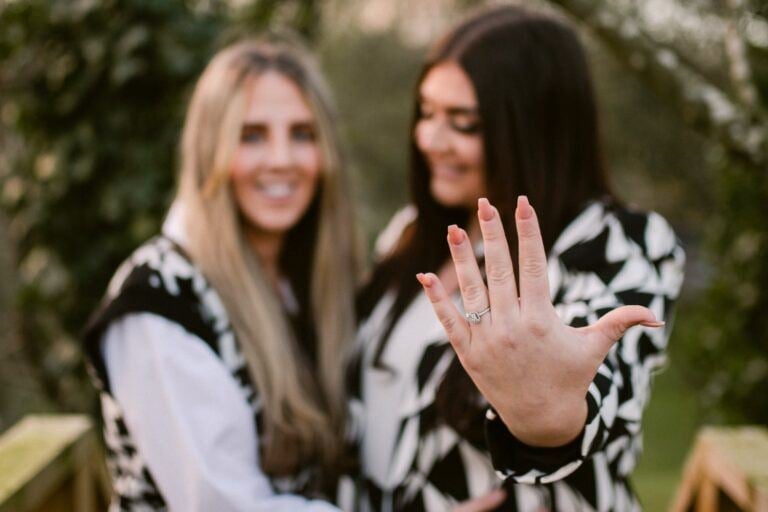
The tradition of wearing your engagement ring on the fourth finger of your left hand is the same for everyone, regardless of gender and relationship. Either or both partners in any couple can wear an engagement ring on the same hand and finger if they choose to.
Can You Wear Your Engagement Ring on Any Finger You Like?
If you want to, you can wear your engagement ring on any finger you choose. Kylie Jenner has been wearing a gigantic sparkler on her little finger for some months now, with fans believing it’s her engagement ring from Timothee Chalamet – she’s just choosing to wear it in a non-traditional way.
Wearing a ring on the ring finger has been a tradition since ancient Greek and Roman times, but traditions aren’t for everyone. If that includes you, then you can wear your ring on any finger you like.
Which Countries Wear the Engagement Ring on the Right Hand?
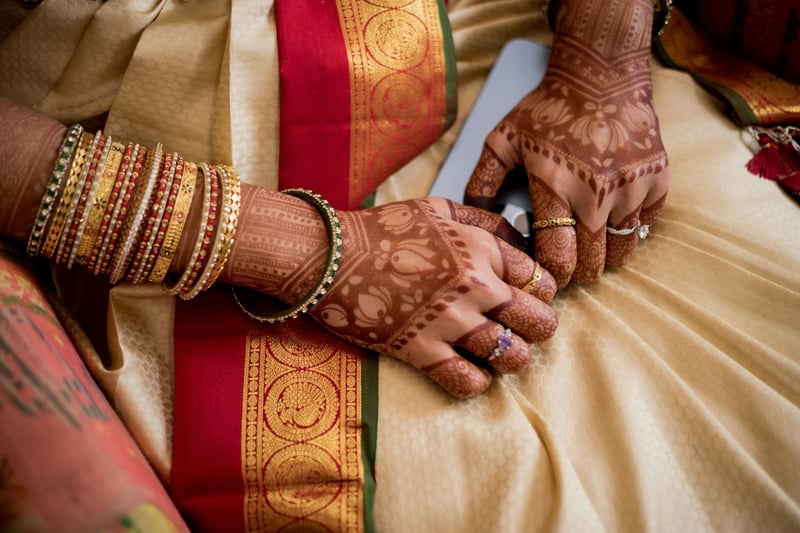
Countries where people wear wedding and engagement rings on their right hand include the following, reportedly due to the link between the right hand being used for oaths and vows, meaning it symbolises honour and trust.
- Spain
- Russia
- Switzerland
- Greece
- India
- Norway
- Denmark
- Colombia
- Bulgaria
- Belgium
- Poland
Other lefties include:
- USA
- Austria
- France
- Germany
- Sweden
- Czech Republic
- Romania
- Portugal
- Turkey
- Ireland
How do the Engagement Ring and Wedding Ring Work Together?
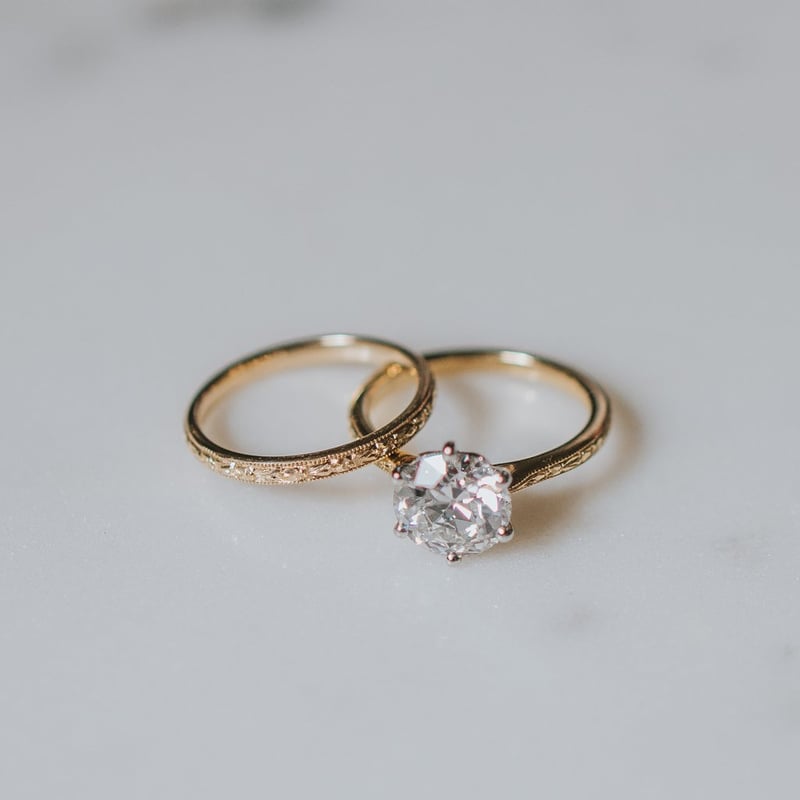
Once you’re married, traditionally your wedding ring will sit alongside your engagement ring, on your ring finger. This is why people who have unusually shaped engagement rings (pear shaped, for example) opt for a wedding ring that is shaped around their engagement ring, so they sit flush against one another.
In the UK and many Western countries and cultures, the traditional order is to wear your wedding ring closest to your knuckle, followed by your engagement ring on top, closer to your fingertip. Again, this has romantic beginnings, with your wedding ring closer to your heart.
This is less of a formal tradition than wearing your rings on your ring finger, with some people choosing to wear their rings in the order they received them.
Other options include:
- Wear your engagement ring and wedding ring on the same finger – but not the traditional ‘ring finger’.
- Wear your engagement ring and wedding ring on the same hand, but on different fingers.
- Wear your engagement ring on the ring finger of your left hand and wedding ring on the ring finger of your right hand (or vice versa).
Ring stacking
If you’re (hopefully) married for a long time, you might also end up with an eternity ring, or like Victoria Beckham, a new engagement ring for every year of marriage (we can but dream!). This likely means you’ll move your jewellery around. Whatever you feel comfortable with and makes you happy is exactly the combination you should go for.
Ruby McGonigle of leading London-based ethical jewellery designer, Lebrusan Studio, encourages her clients to follow their own hearts when choosing which finger to wear their wedding ring on.
“Your sentimental rings don’t need to be worn on your left ring finger. Though many people enjoy wearing their engagement rings and wedding bands together on the same finger in a unique stack, there’s no rule that states this is a must.
“Your engagement ring, wedding band and commitment rings are precious pieces of jewellery, and if you don’t fancy forcing them to share space then the freedom is yours to wear them however and whenever you like!
“For practical reasons, some opt only to wear their engagement ring on special occasions. Others might wish to secure it a special everyday spot over on the right ring finger once the wedding band comes along. Some might not wear their rings on their fingers at all but instead hang them with pride on a necklace. Just like your unique love story, the choice is all yours.”
Do You Have to Wear an Engagement Ring or Wedding Ring at All?
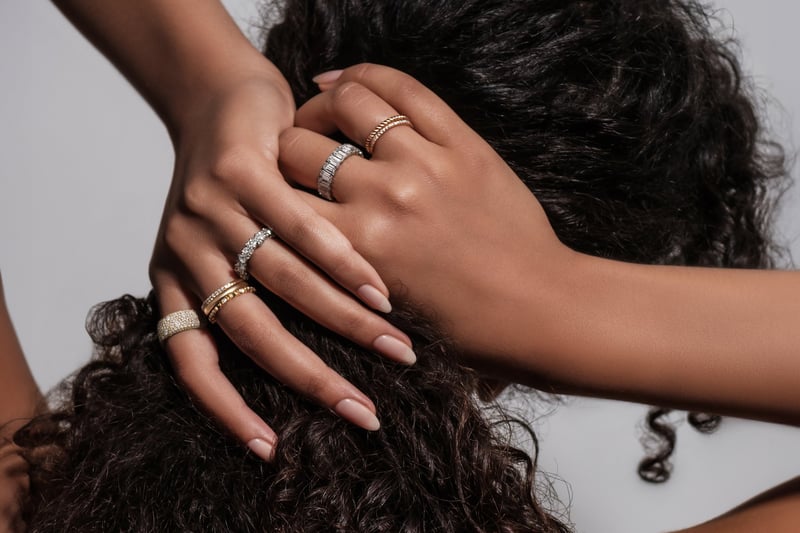
No, there’s no law that states you must wear a ring when you’re engaged or married. Prince William doesn’t wear a wedding ring, for example.
Engagement and wedding rings are symbolic gestures that show your love and commitment to one another. But, if you don’t like to wear rings, you don’t have the budget, or you’re not a fan of jewellery in general, it’s fine if you choose not to wear a wedding or engagement ring at all.
Engagement Ring Finger FAQ
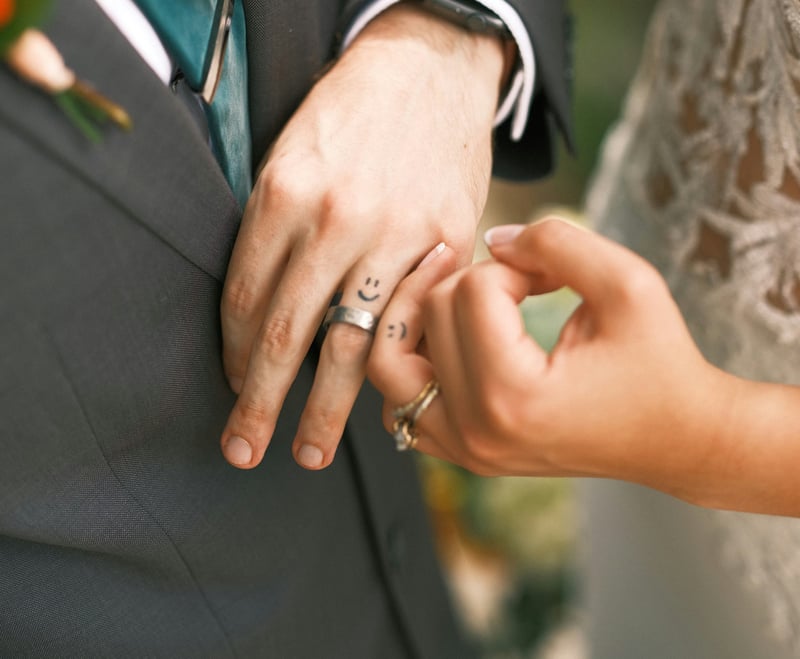
Can you wear an engagement ring on your right hand?
While it’s tradition for people to wear their engagement ring on the fourth finger of their left hand, it’s not set in stone, and you can wear your engagement ring on the hand that feels most comfortable for you.
In many countries, people wear their engagement ring on their right hand.
Do men wear engagement rings?
Yes, men can wear engagement rings if they want to! Traditional customs in the UK and many Western countries mean that engagement rings are often reserved for women, but it’s becoming increasingly common for both partners to wear engagement rings as a symbol of their intention to marry, particularly for those in same-sex relationships.
Is it bad luck to wear a ring on your ring finger before you’re engaged?
Wearing jewellery on your ring finger before you’re engaged is not bad luck – it’s simply an old myth. The fingers and hands you choose to wear your rings on are completely up to you.
What if your engagement ring doesn’t fit your ring finger?
If your engagement ring doesn’t fit on your ring finger, you could consider wearing it on another finger if that feels more comfortable. Or, if you want to stick with tradition and wear it on your ring finger, consider having it resized.
Remember, everything from the weather to the time of day can make finger sizes fluctuate, so always wait a short time before deciding.
Can you move your engagement ring to a different hand later on?
Yes, you can choose to move your engagement ring to different hand later, especially if it doesn’t sit flush with your wedding ring.
While it is charming to lean into the romantic traditions of wearing both rings together, nowadays people tend to wear their rings in a way that feels best and most comfortable for them.
Get a head start on planning your wedding with Bridebook
Still searching for the one? (We’re talking about your ring, of course.) Explore top-rated jewellers near you with Bridebook.
Why Trust Bridebook
Bridebook is the world’s #1 wedding planning platform, used by over 2.8 million couples. Our content is informed by real data from the Bridebook UK Wedding Report, which draws on responses from thousands of couples planning their weddings each year. Where expert input is included, contributors are named and their credentials verified. We update our articles regularly to ensure prices, statistics, and advice reflect current market conditions.
You Might Also Like…
- The Ultimate Wedding Budget Breakdown
- The Average Cost of a UK Wedding in 2026 is £20,604
- How Much Do Wedding Rings Cost? The 2026 Average Revealed
- How to Save Money on an Engagement Ring
- The Ultimate Wedding Planning Checklist
Related articles