Wedding Venue Cost: How Much Does a Wedding Venue Cost in the UK?

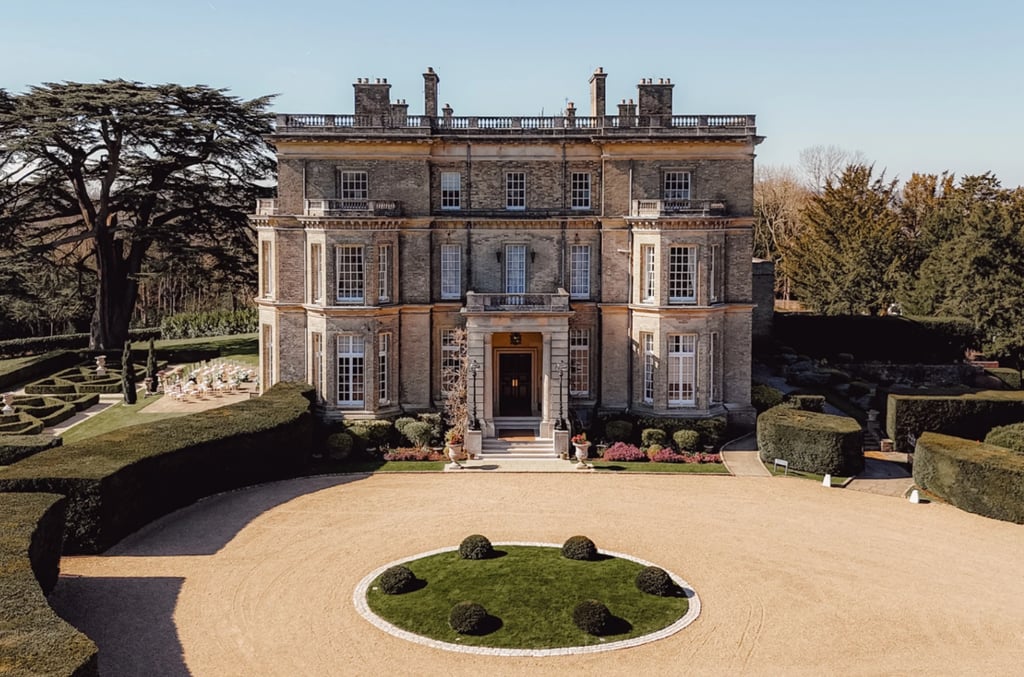
The venue is almost always the single biggest expense in a wedding budget, typically accounting for 30-40% of what couples spend on the whole day. With prices ranging from a few hundred pounds for a registry office to tens of thousands for an exclusive country estate, knowing what you’re actually likely to spend can feel like trying to hit a moving target.
The good news is that understanding the wedding venue cost landscape early gives you a real advantage. Get your head around the numbers now and you’ll go into viewings with realistic expectations, a sharper eye for value, and far fewer surprises along the way.
According to Bridebook’s 2026 UK Wedding Report, which surveyed over 7,000 married and engaged couples, the average wedding venue cost in the UK is £6,040 (excluding catering). Including catering, that figure rises to £9,695. Most couples spend somewhere between £3,000 and £10,000 on their venue, though prices can go significantly higher depending on venue type, time of year, and location.
Once you have a sense of what you’re working with, Bridebook’s free wedding budget planner is a useful place to start mapping out your spend.
How Much Does a Wedding Venue Cost in the UK?
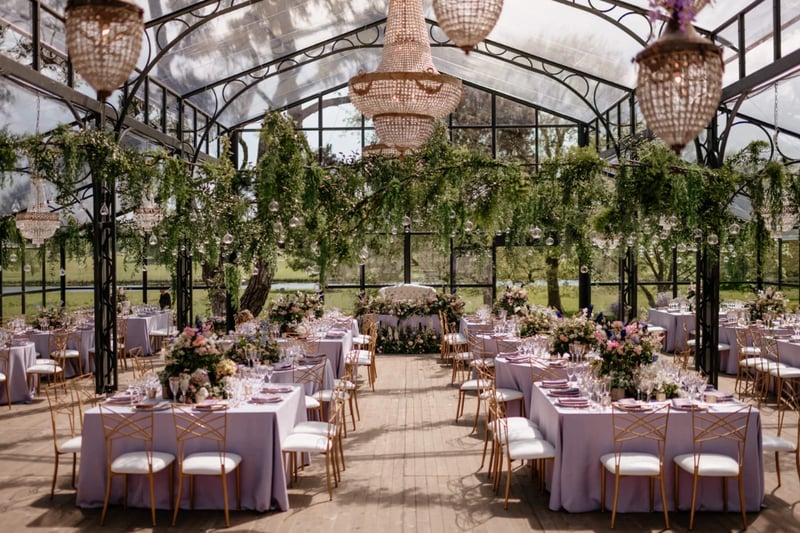
That £6,040 average is a useful starting point, but on its own it doesn’t tell you very much. Venue hire accounts for roughly a third of the average total UK wedding cost of £20,604, which makes it the single biggest line item in most budgets, and the one with the widest range. A registry office ceremony can cost a few hundred pounds, whereas an exclusive-use country estate for 150 guests can cost ten times the national average.
The variables that determine where you land are largely within your control. To give a realistic sense of the landscape:
| Budget level | Typical venue hire cost (excl. catering) |
|---|---|
| Affordable | £3,000–£5,000 |
| Moderate | £5,000–£10,000 |
| Luxury | £10,000–£15,000 |
| Super luxury | £15,000+ |
The range is wide because “wedding venue” covers an enormous variety of spaces and experiences.
Average Wedding Venue Cost by Venue Type
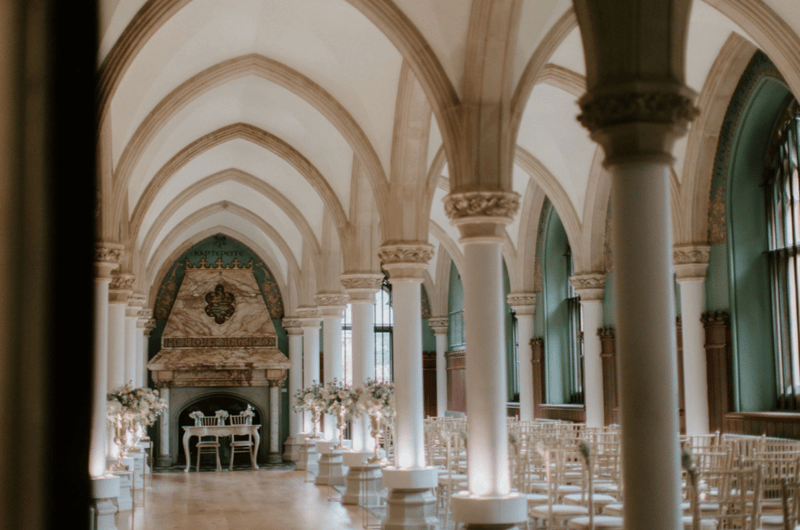
Rather than 1 unhelpful average, here’s what couples actually tend to spend depending on the type of venue they choose. All figures are taken from Bridebook’s 2026 UK Wedding Report, based on data gathered from over 7,000 married and engaged couples right across the UK.
| Venue type | Venue hire cost | Venue + catering spend | Cost per head | Average total wedding cost |
|---|---|---|---|---|
| Stately home | £8,958 | £13,313 | £213.92 | £27,499 |
| Castle | £7,380 | £11,643 | £185.55 | £28,909 |
| Country house | £7,485 | £11,612 | £180.61 | £24,385 |
| Outdoor venue | £6,319 | £10,484 | £188.02 | £22,125 |
| Barn | £6,343 | £12,104 | £199.78 | £23,994 |
| Attraction / museum | £5,044 | £8,424 | £108.54 | £18,583 |
| Event venue | £5,303 | £9,697 | £128.37 | £19,308 |
| Hotel | £5,156 | £7,076 | £124.24 | £16,307 |
| Golf course | £4,322 | £5,446 | £77.83 | £13,466 |
| City venue | £3,179 | £8,691 | £137.73 | £17,103 |
| Restaurant or pub | £2,419 | £4,585 | £79.31 | £11,507 |
A few things worth unpacking from this data. The venue hire cost is only part of the story. Castles have the highest average total wedding cost at £28,909, partly because couples choosing a castle setting tend to invest heavily across every element of the day, and partly because historic buildings and extensive grounds come with significant upkeep costs that venues need to recover. The same logic applies across the premium end of the market: when a venue feels special, there’s usually a reason for it, and that reason costs money to maintain.
Bear in mind that some venues, particularly those with in-house catering, price venue hire attractively and make their margin on the catering side instead. The headline hire fee can look compelling, but the combined spend is what matters when you’re comparing quotes.
City venues show a low venue hire cost of £3,179 but a higher total venue and catering spend of £8,691, which tends to reflect the premium cost of urban catering suppliers. And restaurants and pubs sit at the affordable end across every metric, making them a strong option for couples keeping a close eye on budget.
Here’s a closer look at each venue type:
Barn and Rural Venue
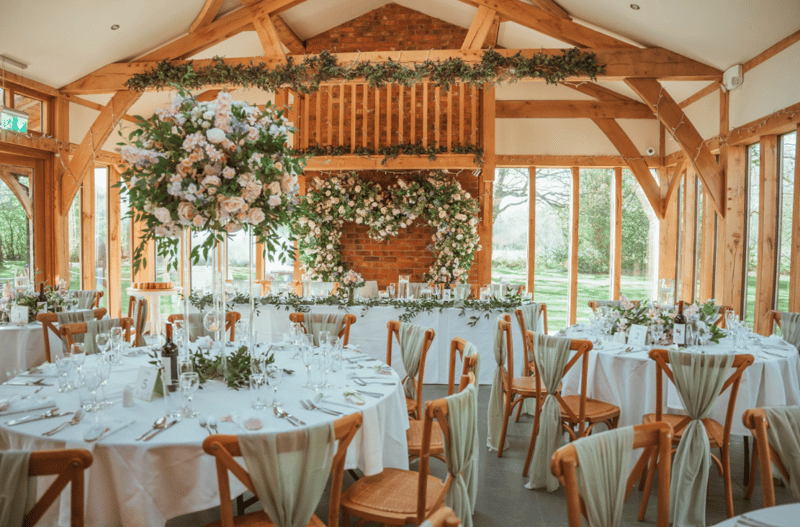
Barn venues are consistently popular and for good reason: they offer a relaxed, characterful setting that works beautifully year-round, and most come with exclusive use as standard. Based on Bridebook’s 2026 data, the average barn venue hire costs £6,343.
Pricing is heavily influenced by location. In the north of England and the Midlands, barn venues typically sit below the £6,343 national average for this category, often in the £3,500–£5,500 range. The same category in Surrey, the Cotswolds, and the South East starts considerably higher, regularly from £6,000 upwards and sometimes significantly more. If you’re based outside the south, you may be pleasantly surprised by what’s available at your budget.
Most barn venues include tables, chairs, and basic lighting, though some operate as dry hire spaces (more on this below), which is worth checking before you compare quotes.
Hotel
Hotels are one of the most practical venue choices, thanks to in-house catering, on-site accommodation for guests, and a dedicated events team already in place. Bridebook’s 2026 data puts the average hotel venue hire cost at £5,156, with a combined venue and catering spend of £7,076.
At the budget end, mid-range hotel packages can represent excellent value once you factor in everything that’s bundled in. At the luxury end, five-star hotels in city centres or countryside settings can command significantly more. Hotels almost always include catering in their wedding packages, so do compare like-for-like when you’re putting quotes side by side.
Country House and Manor
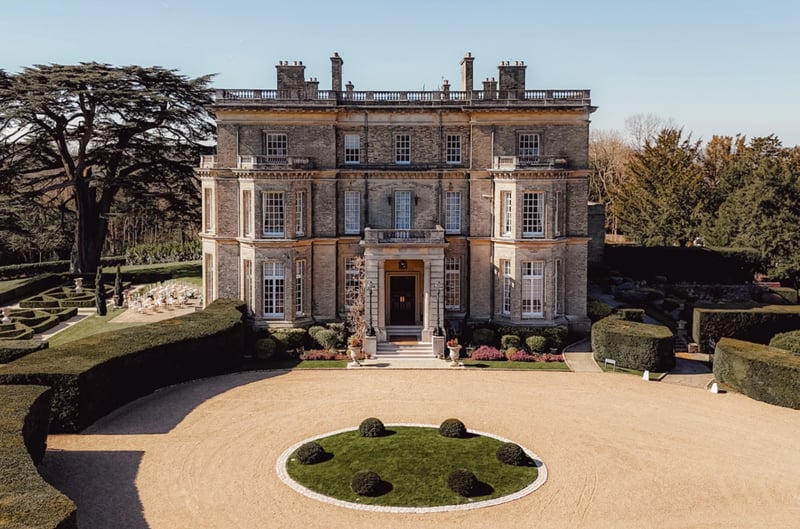
Country houses and manors bring serious wow factor: grand rooms, sweeping grounds, and the sense that the whole place is yours for the day (exclusive use is standard at most). Bridebook’s data shows the average country house venue hire costs £7,485, while stately homes average £8,958. When catering is added, total venue and catering spend rises to £11,612 for a country house and £13,313 for a stately home.
Location and prestige are the main drivers of price here. A lesser-known country house in Yorkshire might sit at £5,000-£6,000; a well-known estate in the Cotswolds or Home Counties can quickly exceed £12,000.
Castle
Castles sit at the higher end of the wedding venue cost spectrum. Bridebook’s 2026 data puts the average castle venue hire at £7,380, and they have the highest average total wedding cost of any venue type at £28,909. For the right couple, the drama and grandeur are hard to beat.
Costs vary enormously depending on the castle in question, how much of it you have exclusive use of, and what’s included. Many castles in Scotland and the north of England are more competitively priced than their equivalents in the south, so this category is worth exploring if you’re open to travelling for the setting.
Pub and Restaurant
Pubs and restaurants are consistently among the most affordable wedding venue options. Bridebook’s data puts the average venue hire cost at £2,419, rising to £4,585 when catering is included, with a per-head cost of just £79.31. They’re a great choice for couples who want a genuinely warm atmosphere, great food, and a bit of character without the formality of a purpose-built wedding space.
The trade-off is usually capacity (most suit smaller guest lists) and more limited options for décor and theming. But for intimate weddings, they deserve serious consideration.
Registry Office and Town Hall
Registry offices are the most affordable way to make things legal. The average registry office wedding costs £1,342 according to Bridebook’s 2026 data, though a basic statutory ceremony with just the 2 of you can cost well under £200 once you factor in the notice of marriage fee, ceremony fee, and marriage certificate. Most couples spend £500–£1,500 when inviting guests, rising to £1,500–£5,000 if a reception is added afterwards.
Many couples pair a registry office ceremony with a separately booked reception venue, which keeps overall costs down without compromising on the celebration. For a full breakdown of fees and what to expect, see our registry office wedding cost guide.
Church Wedding
Church weddings are more affordable than many couples expect. The average cost of a church wedding ceremony in the UK is around £1,000, making it one of the most budget-friendly ways to get married in a meaningful setting. That figure sits well below the cost of most dedicated wedding venues, and a church ceremony pairs naturally with a separately booked reception space.
Church fees vary depending on the denomination and the building itself. Church of England ceremonies have nationally set fees, while other denominations price independently. Optional extras such as bells, an organist, or a choir add to the total but are entirely your call. For a full breakdown, see our church wedding cost guide.
Marquee on Your Own Land
If you have access to a suitable piece of land, a marquee offers the ultimate blank canvas experience. Costs for the structure itself typically range from £3,000 for a basic frame tent to £10,000+ for a high-end tipi or stretch tent with flooring, lining, and lighting.
The important caveat here is that the marquee hire is just the starting point. You’ll also need to budget for catering equipment, furniture, toilets, power (potentially a generator), and flooring if the ground isn’t suitable. Once everything is added up, marquees don’t always work out cheaper than a traditional venue, so budget carefully before assuming this is the economical option.
Dry Hire Blank Canvas Venue
Dry hire venues are bare spaces: you bring in everything yourself, including catering, furniture, lighting, décor, and staffing. The hire fee itself tends to be lower, which can look attractive at first glance. Whether dry hire actually saves money in practice is a more nuanced question, and we’ve dedicated a full section to this below.
What Affects the Price of a Wedding Venue?
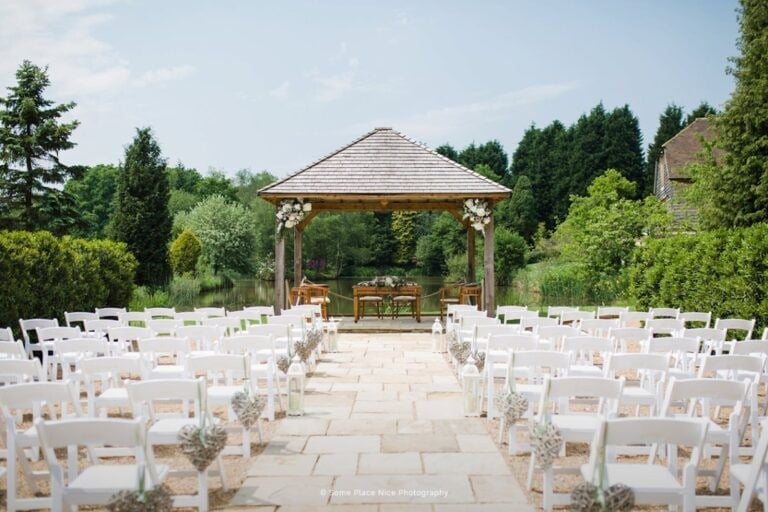
If you’ve received a quote that surprised you in either direction, understanding what drives venue pricing will help you make sense of it. Here are the biggest factors, in rough order of impact.
Day of the week
Saturday is the most in-demand and most expensive day to get married. Fridays and Sundays are usually cheaper, often by a meaningful margin. Weekday weddings can offer the biggest discounts of all, though they obviously require guests to take time off work. For more on how your date affects costs, take a look at our guide to choosing a wedding date.
Location
Regional differences are significant and often surprising. Bridebook’s 2026 UK Wedding Report shows a clear North-South split, but also some results that may catch you off guard:
| Region | Venue hire cost | Venue + catering spend | Cost per head | Average total wedding cost |
|---|---|---|---|---|
| Scotland | £7,144 | £11,706 | £211.64 | £23,861 |
| South West England | £6,564 | £10,450 | £193.89 | £21,292 |
| South East England | £6,317 | £10,489 | £158.15 | £22,907 |
| Wales | £6,076 | £9,409 | £120.36 | £20,056 |
| London | £6,045 | £11,372 | £131.11 | £22,625 |
| East of England | £5,865 | £9,592 | £189.20 | £19,208 |
| North East England | £5,531 | £8,487 | £122.59 | £19,067 |
| Yorkshire and the Humber | £5,355 | £8,935 | £155.81 | £20,147 |
| West Midlands | £4,960 | £8,506 | £130.92 | £19,371 |
| North West England | £6,211 | £8,216 | £127.90 | £18,197 |
| East Midlands | £4,739 | £8,452 | £130.21 | £17,802 |
| Northern Ireland | £1,442 | £9,432 | £93.20 | £18,205 |
A few things stand out here. Scotland is the most expensive region for venue hire at £7,144, and also has the highest per-head cost at £211.64 despite the perception that it’s a more affordable wedding destination. London’s venue hire cost (£6,045) is actually very close to the UK average (£6,040), which may surprise couples who assume the capital is always the priciest option.
Time of year
Spring and summer dates, particularly May through August, are peak season and priced accordingly. Winter weddings (especially January and February) are typically more affordable, and some venues offer significant reductions for off-peak bookings. Bridebook also lists late availability deals at many partner venues, which can be worth keeping an eye on.
Guest numbers
Larger guest lists require larger venues, and larger venues cost more. This relationship isn’t always perfectly linear, but as a general rule, the more people you want to invite, the more you should budget for the space.
Exclusivity
Exclusive use means the venue is entirely yours for the day, with no other events or guests on site. Most dedicated wedding venues offer this as standard, and most couples prefer it. Some venues, particularly hotels, may offer a lower price for non-exclusive use, which is worth weighing up carefully.
Catering arrangements
Whether catering is included, optional, or entirely your responsibility has a significant effect on the total cost. The 2026 UK Wedding Report found that 71% of couples choose venues with in-house catering. This is covered in more detail in the per-person cost section below.
What’s included in the package
Two venues at the same headline price can represent very different value once you account for what’s bundled in. Tables, chairs, linen, lighting, on-site accommodation, and coordination services all add up fast if you’re sourcing them separately.
Mark Dawson, former owner and operator of a wedding venue and an expert on venue pricing, puts it well:
“Couples benefit from being ‘one-time customers’ that venues are trying to attract and therefore price is a key lever. So when faced with budget challenges, take time to prioritise what is most important. Is it exclusivity on the day? Is it the historic setting? Is it the extensive grounds? They all drive the price point that the venue needs to continue to operate.”
Wedding Venue Cost Per Person
One of the most useful ways to compare venues is on a per-head basis. This helps you understand the true cost of your choice once both venue hire and catering are factored in together.
Based on Bridebook’s 2026 research, the average all-in cost per head across all venue types, covering both venue hire and catering, is £117.10. But that figure varies considerably depending on the type of venue you choose:
| Venue type | Cost per head (venue + catering) |
|---|---|
| Stately home | £213.92 |
| Castle | £185.55 |
| Outdoor venue | £188.02 |
| Barn | £199.78 |
| Country house | £180.61 |
| City venue | £137.73 |
| Event venue | £128.37 |
| Hotel | £124.24 |
| Attraction / museum | £108.54 |
| Golf course | £77.83 |
| Restaurant or pub | £79.31 |
To put these numbers into perspective: a hotel at £124.24 per head versus a restaurant or pub at £79.31 per head is a difference of £45 per guest. Across a 120-person wedding, that gap is over £5,400. Choose a barn at £199.78 per head instead, and the difference versus a restaurant venue widens to nearly £14,500 for the same guest count. The venue type decision is one of the most consequential financial choices in the whole planning process.
Looking at venue hire only, here’s how the UK average venue hire cost of £6,040 breaks down across different guest counts:
| Guest count | Approximate venue hire cost per head |
|---|---|
| 50 guests | ~£121 per head |
| 80 guests | ~£75 per head |
| 120 guests | ~£50 per head |
| 150 guests | ~£40 per head |
As the table shows, per-head venue cost falls significantly as guest numbers increase, because you’re spreading a largely fixed cost across more people. Larger weddings don’t automatically mean worse value per person.
When catering is included, the arrangement matters too:
| Catering type | Average total cost per head (venue + catering) |
|---|---|
| In-house catering | £114.45 |
| External catering (free choice of caterer) | £112.50 |
| External catering (from required supplier list) | £159.00 |
These figures are a useful reality check when comparing venues with different catering setups. A venue that looks cheaper on paper may not be once catering is factored in at the required supplier rate.
Hidden Wedding Venue Costs to Watch Out For
This is the section to save before you attend any venue viewings. Venue quotes don’t always tell the full story, and some costs only emerge once you’re deeper into the booking process. Use this checklist when speaking to venues:
- [ ] Corkage fees. If you want to supply your own wine or prosecco rather than buying through the venue, many charge a corkage fee per bottle, typically £5–£20 per bottle for wine, and up to £25–£30 for champagne.
- [ ] External supplier charges. Some venues charge a fee for bringing in any supplier not on their approved list, from photographers to florists to caterers.
- [ ] Set-up and breakdown time. If your decorators or caterers need access to the venue the day before or after the wedding, some venues charge extra for that access time.
- [ ] Overnight accommodation minimums. Hotel wedding venues sometimes require you to book a minimum number of rooms as part of the package, adding a fixed cost regardless of how many guests actually stay.
- [ ] Security deposit. A refundable deposit (typically £500–£2,000) is standard, but confirm the conditions for getting it back in full.
- [ ] Cleaning fees. Sometimes included in the package, sometimes not. If not, budget for it separately.
- [ ] Overtime charges. Running past the agreed finish time usually incurs an additional fee, sometimes charged per hour. Know the rate before you sign anything.
- [ ] Parking charges. Some venues, particularly rural and country house venues, charge guests for parking. This is worth flagging in your invitations so nobody is caught off guard on the day.
- [ ] Generator hire. Relevant mainly for outdoor and marquee venues. If the site doesn’t have mains power, you may need to hire a generator and budget for fuel.
- [ ] VAT. Confirm whether quoted prices include or exclude VAT. On a large venue fee, the difference is significant.
- [ ] Insurance. Some venues require couples to take out wedding insurance or event liability cover as a condition of booking.
For a full checklist of everything to ask before you commit, take a look at our guide to questions to ask your wedding venue.
How to Reduce Your Wedding Venue Cost
Getting more for your money isn’t simply about finding a cheaper venue. Here are some genuinely practical tactics that can make a real difference to your bill.
Book a Friday or Sunday. Saturday premiums are real and well-documented. Many venues offer the same space at a noticeably lower price on a Friday or Sunday, sometimes 20-30% less. Guests who want to celebrate with you will make it work.
Consider a winter wedding. January, February and November are the quietest months for weddings, and venues are aware of it. Off-peak pricing can make a meaningful difference to your budget, and winter weddings have a quiet charm all of their own.
Look outside premium locations. Venues just outside major cities, or in less-fashionable counties, are often considerably cheaper than their equivalents in the Cotswolds, Surrey, or central London without any compromise on quality or atmosphere.
Negotiate the package. If you don’t need everything in a venue’s standard package, ask whether items can be removed for a lower price. If you’re close to signing, it’s always worth asking what the venue can include at no extra cost as a goodwill gesture.
Separate the ceremony and reception. Having a registry office or church ceremony and then booking a separate reception venue can reduce overall venue costs, particularly if you’re comfortable with a more modest ceremony space.
Go dry hire. Hiring a blank canvas space and sourcing catering and furniture independently can save money, but only if you’re organised and can find competitive suppliers. More on this below.
Keep an eye out for late availability deals. Bridebook lists late availability offers from partner venues, which can be excellent value if your timeline is flexible. Just be mindful that last-minute bookings can put pressure on suppliers and guests with less notice.
For more ideas on keeping costs in check, have a look at our guides to budget wedding venues, wedding venue saving tips, and our full wedding budget breakdown.
Is a Dry Hire Venue Cheaper?
The short answer: sometimes, but not always.
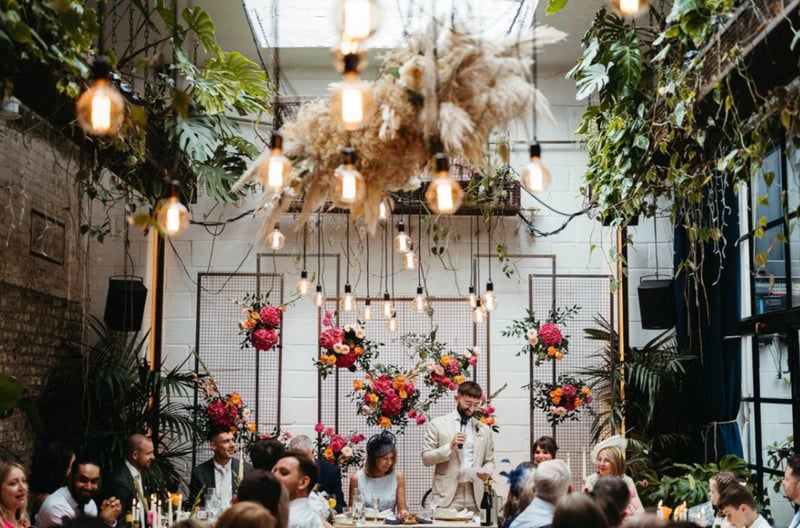
A dry hire venue gives you complete control over every element of the day. You bring in your own caterers, your own furniture, your own bar, your own everything. The hire fee is typically lower than a fully serviced venue, which looks attractive on paper.
The complication is the accumulation of everything else. Catering, kitchen equipment, crockery, glassware, linen, staffing, and bar setup can add up to more than you’d expect, particularly if you’re sourcing multiple suppliers independently for the first time.
As revealed in Bridebook’s 2026 data, couples who are required to use a venue’s approved caterer list pay an average of £159 per head, compared to £114.45 for in-house catering. However, couples with genuine free choice of caterer average just £112.50 per head, suggesting that real freedom to shop around can produce modest savings.
In short, dry hire can work out cheaper if you’re organised, have time to manage multiple suppliers, and can secure competitive catering. If you’re time-poor or less experienced at managing events, the savings can be quickly absorbed by the complexity of doing it all yourself. Read more on catering saving tips to help with your planning.
Wedding Venue Cost FAQs
What is the average cost of a wedding venue in the UK?
The average wedding venue cost in the UK in 2026 is £6,040 excluding catering, based on Bridebook’s survey of over 7,000 married and engaged couples. Once catering is included, that figure rises to £9,695. Most couples spend somewhere between £3,000 and £10,000, though the range is wide. Venue type, location, and time of year all have a significant bearing on the final figure.
What is the average wedding venue cost per person?
Based on Bridebook’s 2026 data, the average all-in cost per head, covering both venue and catering, is £117.10. For venue hire only, the per-head cost varies with guest numbers: at 80 guests, the UK average venue cost of £6,040 works out at approximately £75 per head.
What affects the price of a wedding venue?
The biggest factors are day of the week (Saturdays cost more), time of year (summer is peak season), guest numbers, exclusivity, catering arrangements, and location. Regional variation is significant: Scotland has the highest average venue hire cost at £7,144, while the East Midlands sits at the more affordable end at £4,739. Northern Ireland has a strikingly low average venue hire cost of just £1,442, though overall spend remains higher once catering is factored in.
What hidden costs do wedding venues charge?
Common additional costs include corkage fees, external supplier charges, set-up and breakdown time, cleaning fees, overtime rates, accommodation minimums, security deposits, parking, and VAT if not included in the quoted price. Always ask a venue to clearly itemise everything that is and isn’t included before you sign.
Can I negotiate with my wedding venue?
Yes, and it’s more common than many couples realise. You’re less likely to move the headline hire fee (particularly at popular venues in peak season), but there’s often room to negotiate on what’s included in the package, added inclusions, or certain fees. Booking in the off-peak season gives you considerably more leverage.
How can I reduce my wedding venue cost?
The most effective tactics are booking a Friday or Sunday instead of Saturday, choosing an off-peak date, considering venues outside of premium locations, and negotiating package inclusions. Dry hire venues can also save money if you manage the logistics carefully.
Is it cheaper to hire a dry hire venue?
Not always. While the hire fee is typically lower, you’ll need to source and pay for catering, furniture, equipment, staffing, and a bar separately. Couples with free choice of external caterer average £112.50 per head according to Bridebook’s data, slightly below the in-house catering average of £114.45. Savings are possible but not guaranteed, and the effort involved is significantly higher.
Find Your Perfect Venue on Bridebook
Now you have a realistic picture of what to expect, the next step is finding venues that fit your budget and vision. Browse and compare thousands of UK wedding venues on Bridebook, with filters for venue type, location, capacity, and price.
For more help budgeting for your big day, take a look at our ultimate wedding budget breakdown and our wedding budget saving tips. If you’re still in the early stages of finding the right space, our guide to choosing a wedding venue is a great place to start.
You Might Also Like…
- The Ultimate Wedding Budget Breakdown
- The Average Cost of a UK Wedding in 2026 is £20,604
- How to Save Money on a Wedding Venue
- Saving Tips: Budget
Happy Planning!
Related articles